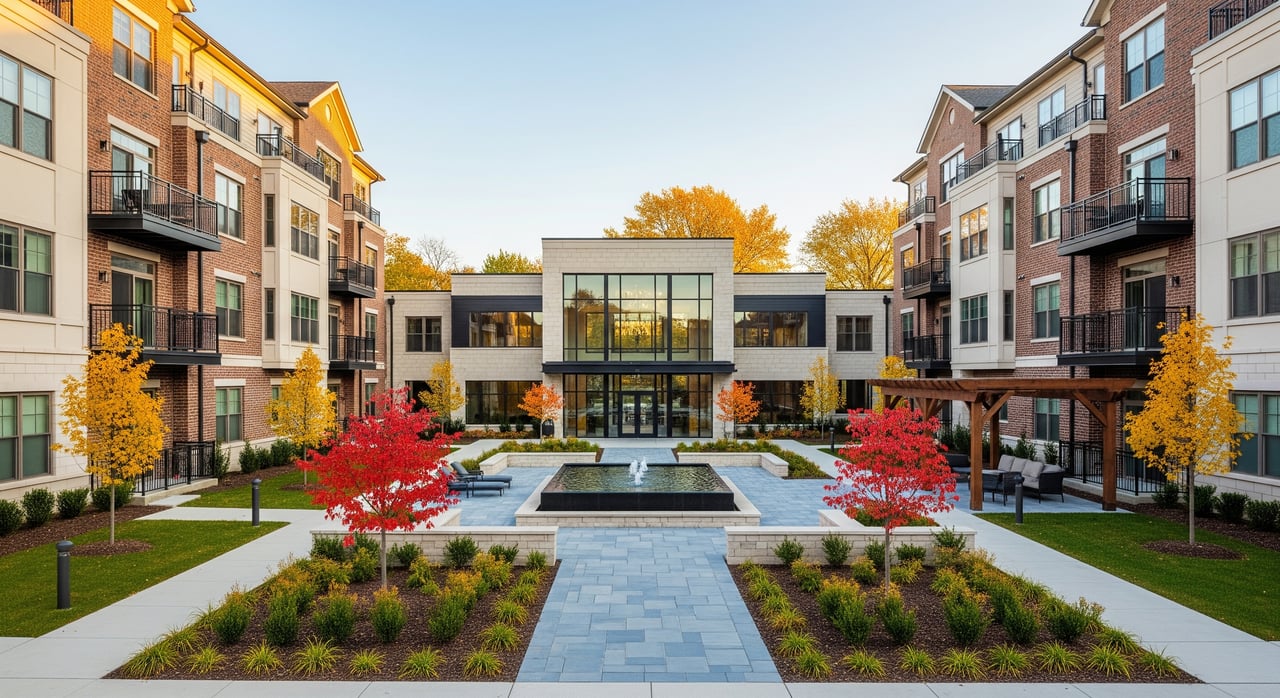
Essential Streamwood HOA Basics for Condo Buyers
December 18, 2025
December 18, 2025
Thinking about a condo or HOA community in Streamwood but unsure how the fees, rules, and documents work? You are not alone. Many buyers love the low‑maintenance lifestyle, yet worry about surprise assessments or restrictive policies. This guide breaks down what you need to know in Illinois, how to read association documents during attorney review, and how to decide if a community truly fits your life and budget. Let’s dive in.
In a condominium, you usually own the interior of your unit from the drywall in, and you share ownership of common elements like the roof, exterior, grounds, and hallways. In an HOA for a planned community, you typically own the lot and the dwelling. The HOA maintains shared areas and enforces covenants and rules. The exact maintenance split depends on the declaration and bylaws, so always verify.
Associations collect regular assessments to fund daily operations and save for future repairs through reserves. They may also levy special assessments for major projects when reserves fall short. At closing, some communities charge administrative fees for the resale package or certification. Your attorney can confirm which fees apply and who pays them under your contract.
Condo owners often need an HO‑6 policy for the interior, while the association’s master policy covers common areas. In HOA communities with single‑family homes, owners typically carry an HO‑3 policy for the structure and lot, with the HOA insuring shared spaces. The master policy can be bare walls or all‑in, which affects what you insure. Confirm coverage scope and deductibles during attorney review.
Illinois law sets the framework for condominiums and common‑interest communities, including resale disclosures and governance standards. A licensed Illinois real estate attorney should interpret statutes, confirm required documents, and manage deadlines tied to your purchase contract. In Streamwood, association rules still must comply with local ordinances such as parking or building codes.
Cook County property taxes and any special district levies influence your monthly costs. Ask your attorney to verify tax proration practices and whether the association anticipates changes in assessments. Management style varies by community, and much of how a place runs is found in its declaration, bylaws, and rules.
Reserves pay for big-ticket items like roofs, siding, pavement, and elevators. A professional reserve study estimates useful life and recommends funding levels. A recent study within the last 1 to 5 years is a positive sign. There is a common “percent funded” measure that compares actual reserves to recommended levels. Higher percentages usually mean lower risk, but context matters.
The resale or estoppel certificate confirms current dues, owner delinquencies, pending special assessments, and transfer fees. Your attorney will verify amounts and who pays what under the contract. If any part is unclear or missing, request clarification right away.
Ask for these items and review with your attorney:
What to look for: stable dues, realistic expense projections, adequate reserves for the age of the community, and no pattern of plugging operating holes with reserve funds.
Request the declaration, bylaws, and rules and regulations. Confirm any restrictions that matter to you, including rental caps, pet policies, parking rules, noise policies, and exterior modification approvals. Look for clear election procedures and owner communication practices, which signal healthy governance.
Board and annual meeting minutes for the past 12 to 24 months reveal the story behind the numbers. Scan for discussion of deferred maintenance, vendor disputes, complaints, and votes on special assessments or rule changes. Consistent maintenance paired with transparent decision making is a good sign.
Obtain the master insurance policy declarations. Confirm whether it is bare walls or all‑in, what the deductibles are, and how damage is allocated between the association and individual owners. If deductibles are high, you may need coverage that fills the gap.
Ask for the management agreement, major vendor contracts, and any pending or threatened litigation documents. Review termination terms, fee schedules, and exposure from lawsuits or settlements. Big contracts with little oversight or costly litigation can pressure future dues.
Pet rules, rental policies, and parking can make or break your experience. If you plan to rent in the future, a rental cap could affect your options and resale. Architectural guidelines matter if you want to add a patio, change windows, or alter landscaping.
Amenities like pools, fitness rooms, or clubhouses can improve quality of life, but they raise costs and require long‑term upkeep. Consider what you will truly use. Also note the management style. Professional management can offer consistency, while self‑managed boards may be more personal but vary in responsiveness.
Use this quick lens as you tour and review documents:
Consider using a red, yellow, green rating for each category: Financial Health, Rules Fit, Governance Transparency, Insurance Adequacy, and Amenities Value. Your goal is a mostly green picture with any yellow items understood and acceptable.
You deserve a low‑maintenance home that fits your budget and your life. As a boutique team serving Streamwood and the northwest suburbs, we guide you through the HOA and condo landscape with clear steps and steady communication. We coordinate document requests, help you read what matters, and keep your timeline on track while your Illinois attorney handles the legal review.
From setting up a focused search to managing milestones and vendor coordination, our team approach reduces friction and helps you make a confident decision. When you are ready, we will walk through your top picks and apply the checklist to confirm financial health, rules fit, and long‑term stability.
Ready to explore HOA and condo options in Streamwood with a trusted local partner? Reach out to the Alice Picchi Team to start your search and move forward with clarity.
Stay up to date on the latest real estate trends.


Top Real Estate Team specializing in the Chicago northwest suburbs. We have a strong attention to detail, adapt well to situations, and work well under pressure.