Leave a Message

Thank you for your message. We will be in touch with you shortly.

Algonquin Home Styles: Ranch, Two-Story, Split-Level

December 4, 2025

Trying to match your lifestyle to an Algonquin home layout? With choices ranging from mid‑century ranches to newer two‑story plans and classic split‑levels, it can be hard to know what fits best. You deserve a clear, practical way to compare your options based on how you live, what you need, and what the local market offers. This guide breaks down the three most common styles in Algonquin, what to expect inside each, and the features that matter most so you can tour with confidence. Let’s dive in.

Algonquin housing at a glance

Algonquin’s neighborhoods reflect several eras of growth. Near the village core, you find pre‑ and post‑World War II homes. Mid‑century subdivisions from the 1960s through the 1980s added many ranch and split‑level homes. From the 1990s onward, larger two‑story homes became common in planned subdivisions, with new infill continuing into the 2000s and 2010s.

Northern Illinois winters drive local building practices. Basements are common because they protect mechanicals from freeze and add storage or living space. Buyers often ask about sump pumps, waterproofing, and energy performance.

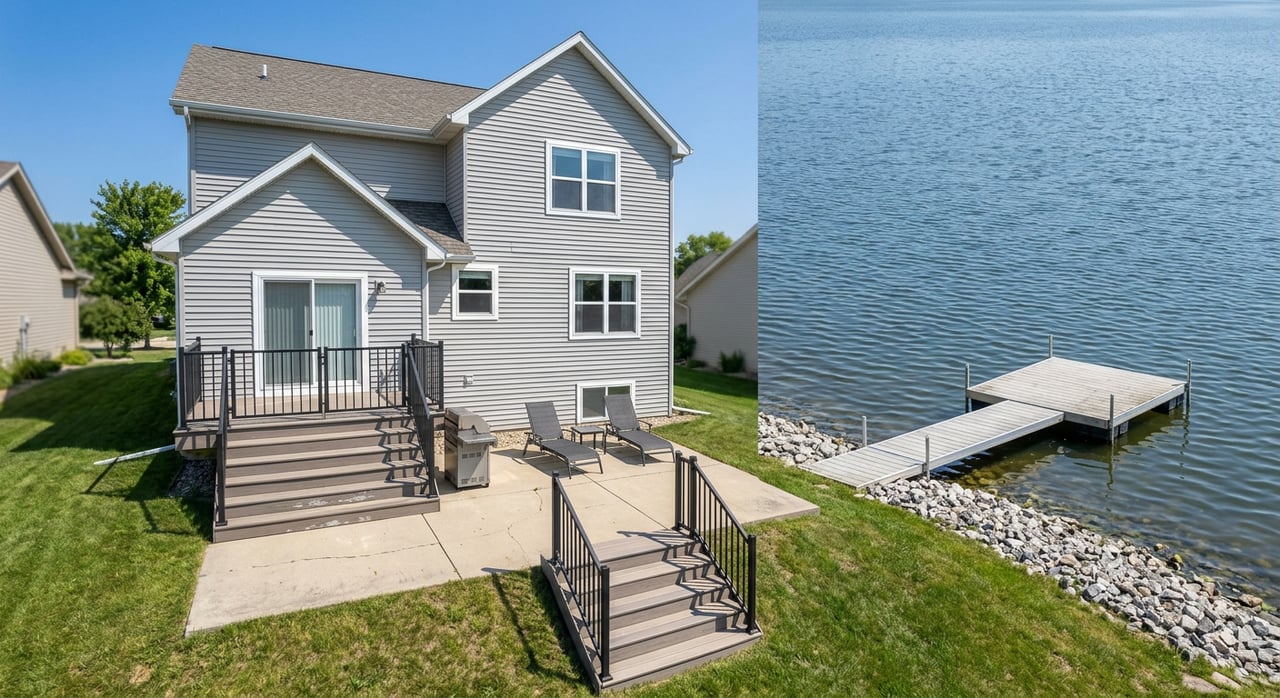
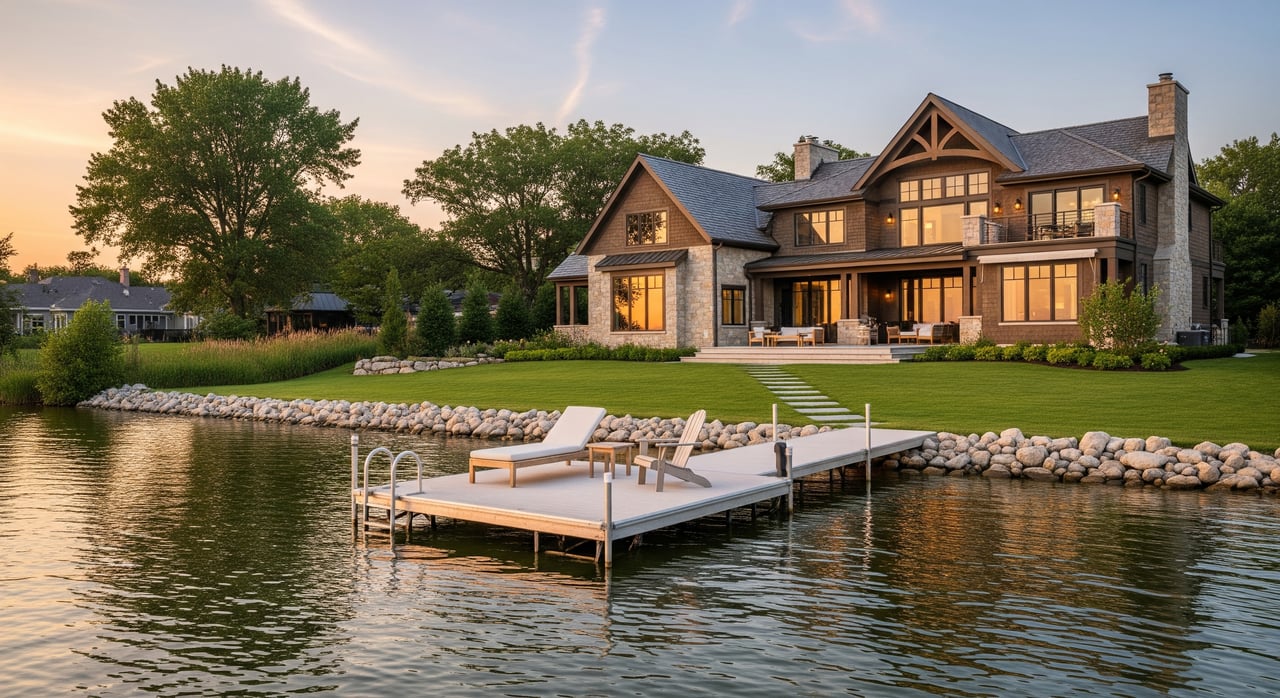
The Fox River bisects the village, and some low‑lying areas fall within mapped floodplains. If you are considering a river‑adjacent property, verify floodplain status, insurance requirements, and any recent mitigation updates with the Village.

Ranch homes in Algonquin

What you get

  • One‑level living with kitchen, living, and bedrooms on the same floor.
  • Low rooflines, sliders to patios, and attached one‑ or two‑car garages.
  • Many include basements that add storage or finished space.

Pros for daily life

  • Easy accessibility with no interior stairs.
  • Simple exterior maintenance and often efficient heating and cooling with a compact footprint.
  • Good candidates for universal‑design upgrades over time.

Tradeoffs to weigh

  • Smaller total square footage on typical lots compared with two‑story homes.
  • Less separation between living and sleeping spaces, which can affect noise and privacy.
  • Original ranches may need kitchen or bath updates.

What to check on tour

  • Is there a basement, and what is the moisture history? Look for sump pumps and waterproofing.
  • Ceiling heights and any structural work behind open‑plan remodels.
  • Roof age, drainage away from the foundation, and HVAC age and duct layout.

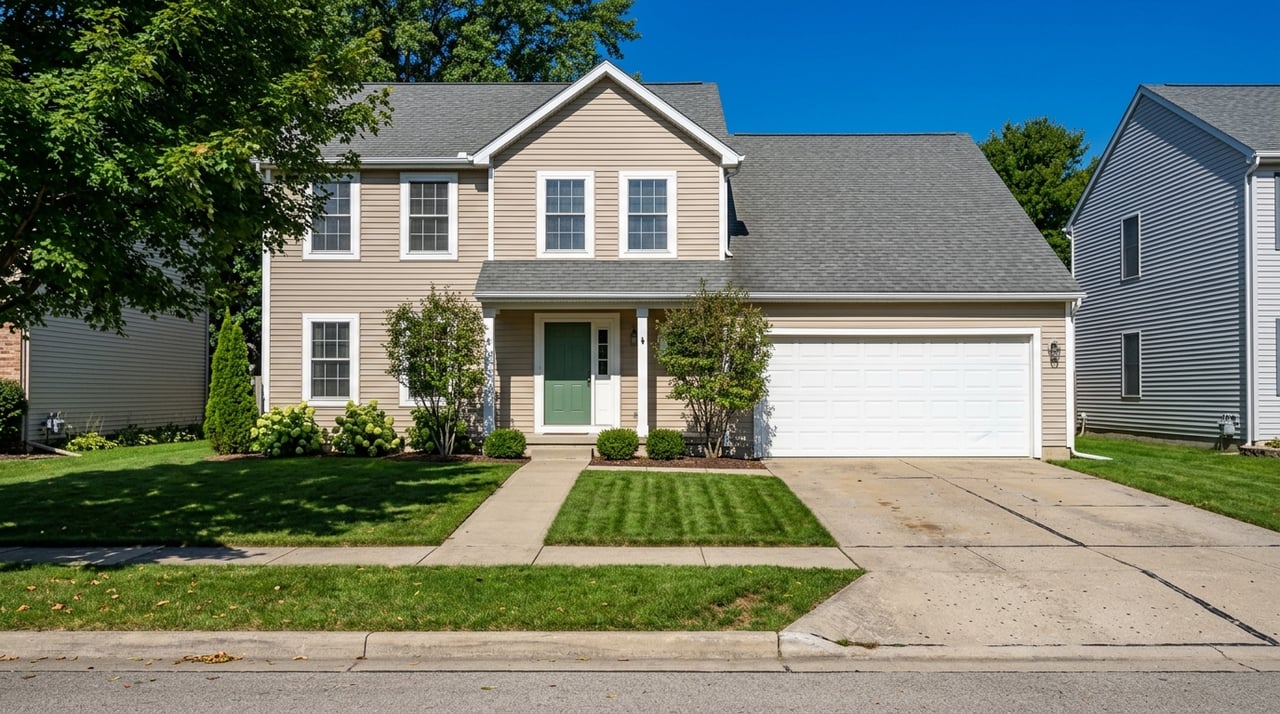
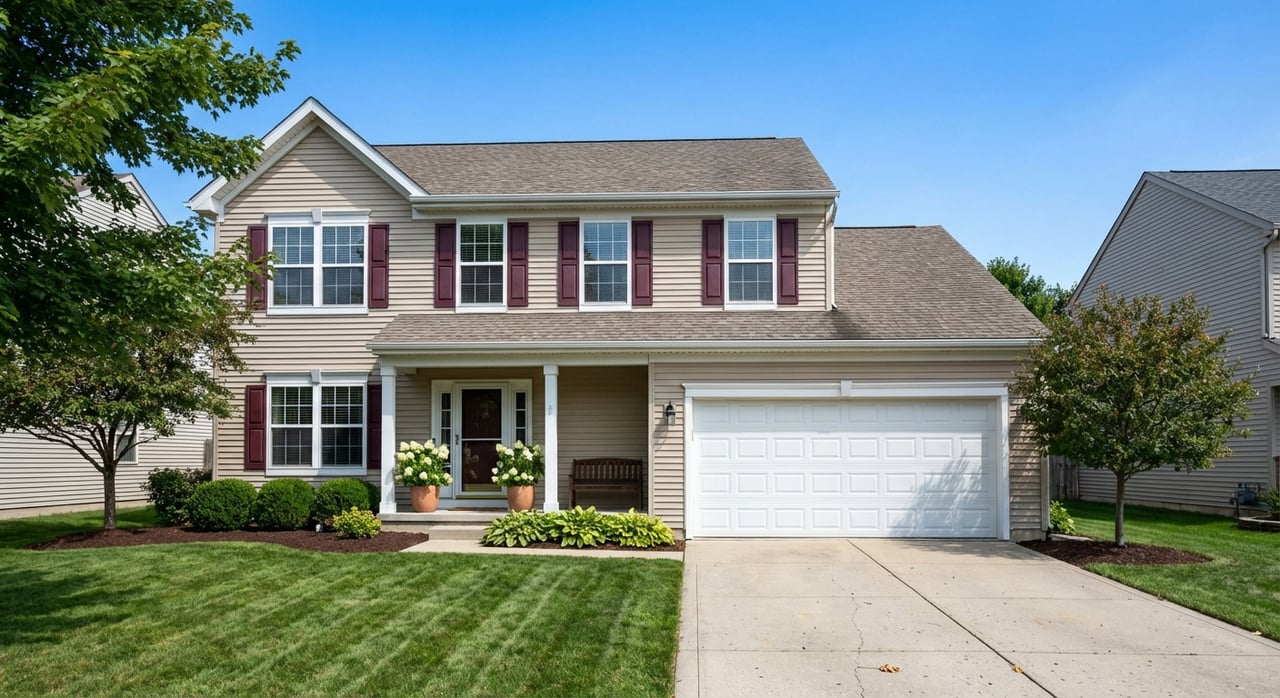
Two‑story homes in Algonquin

What you get

  • Main level for kitchen, living, and dining, with bedrooms upstairs.
  • Primary suites, lofts or bonus rooms, and attached two‑car garages are common.
  • Basements are typical and often finished for playrooms or media spaces.

Pros for daily life

  • More living area on smaller lots, which can deliver more bedrooms and baths.
  • Clear separation of public and private spaces for added privacy.
  • Often more storage across closets, attic space, and garage.

Tradeoffs to weigh

  • Stairs can be a challenge for mobility and moving furniture.
  • Heating and cooling can be less balanced if insulation or ducting is dated.
  • If you want a primary on the main level, options exist but are less common in older two‑story plans.

What to check on tour

  • Stair and railing condition, plus any squeaks in upstairs floors.
  • Sound transfer between floors and laundry location for convenience.
  • Basement access, finish quality, and whether permits were pulled.

Split‑level homes in Algonquin

What you get

  • Entry at a landing with short flights to the main living area and to a bedroom wing or lower family room.
  • The lower level is often partially below grade, used for a family room, workshop, or additional storage.
  • Separate zones without the full height and mass of a two‑story.

Pros for daily life

  • Distinct living, sleeping, and recreation areas that suit varied routines.
  • More separation than a ranch with a compact footprint.
  • Lower levels stay naturally cool in summer, which works well for media rooms.

Tradeoffs to weigh

  • Multiple short stair runs can be awkward for mobility and moving furniture.
  • Some layouts feel dated, and opening walls may require complex structural work.
  • Lower levels may have limited natural light, depending on window wells and egress.

What to check on tour

  • Quantity and riser height of stairs to make sure the flow suits your household.
  • Lower‑level ceiling height, egress windows, and use of the space.
  • Roof and flashing at intersecting rooflines, which can be leak prone if neglected.

Key features that matter

Basements

Basements are standard in many Algonquin single‑family homes. When you tour, ask about moisture history, look for efflorescence on walls, and confirm sump pump operation. If the basement is finished, verify permits, insulation, and egress for any rooms marketed as bedrooms. Radon testing is common in Northern Illinois, and mitigation is straightforward when needed.

Primary on main

A main‑level primary suite is popular with downsizers and buyers who want fewer stairs. Some newer two‑story plans offer this feature, often traded against the upstairs bedroom count. Check suite size, closet space, and bathroom layout. If the suite was added later, confirm plumbing and electrical upgrades and permits.

Attached garages

Attached garages are the norm in local subdivisions. Many buyers prefer two‑car or larger setups with storage or workshop space. Review door condition, insulation, and sealing to reduce heat loss and protect indoor air from car exhaust. If you plan to charge an EV, ask about electrical capacity and outlet placement.

Mechanicals and energy

Forced‑air furnaces are common, with some homes retaining boilers. Review ages and service records for furnaces and water heaters. In older homes, attic insulation and window upgrades can improve comfort and energy costs. Exterior grading and water management are critical in this climate, so note gutters, downspouts, and drainage away from the foundation.

Floodplain and foundation

If a property is near the Fox River or in low‑lying areas, verify floodplain status, elevation certificates, and insurance implications. Local freeze and thaw cycles can stress foundations. Visible cracks or water infiltration warrant a closer structural evaluation.

Where styles cluster

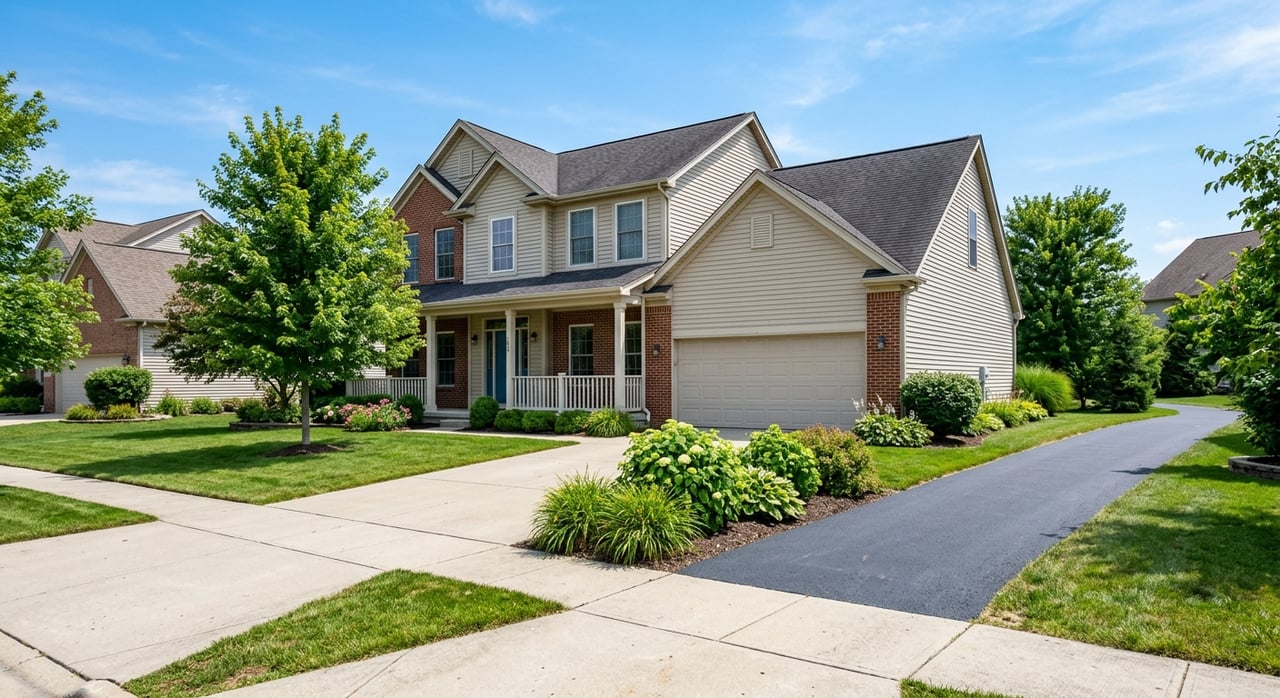
You typically find ranches and split‑levels in Algonquin’s older subdivisions and mid‑century neighborhoods. Two‑story homes predominate in subdivisions built after 1990 and in more recent infill. Similar patterns appear in nearby Lake in the Hills and unincorporated parts of McHenry County. As a general trend, two‑story homes often offer more bedrooms and bathrooms, while ranches draw interest from first‑time buyers and downsizers. Split‑levels can be a value play and perform well when thoughtfully updated.

How to choose your best fit

Start with lifestyle. If you want few or no stairs, a ranch or a two‑story with a main‑level suite will feel better day to day. If you need four or more bedrooms on a modest lot, a two‑story often delivers the space you want. If you like defined zones for work, play, and sleep, a split‑level offers that separation without a full two‑story plan.

Then align features with your priorities. For many buyers here, a finished basement, an attached two‑car garage, and a flexible room for office or guest space are must‑haves. If you are eyeing river‑adjacent streets, add floodplain checks to your short list. Finally, weigh the renovation path. A clean but dated mid‑century home can be a smart buy if you are comfortable updating kitchens, baths, windows, and insulation over time.

Showing day checklist

  • Confirm the home style from photos and floorplan, noting where stairs occur.
  • Look for basement details, finished vs unfinished, and presence of egress windows.
  • Note primary bedroom location and whether an ensuite bath and closets meet your needs.
  • Verify garage type, size, and orientation, plus driveway length for winter snow clearance.
  • Check roof age, HVAC and water heater age, and recent kitchen, bath, or window updates.
  • Ask about water history, sump pump details, and any radon testing records.
  • For river‑adjacent properties, request floodplain status, elevation certificates, and insurance history.
  • Confirm permits for major remodels, including finished basements and structural changes.

Next steps

If you are sorting between ranch, two‑story, and split‑level homes in Algonquin, we can help you narrow the field fast. We will set up a tailored search, preview top fits, and flag basement, floodplain, and mechanical details that impact value. Planning to sell before you buy? Our presentation‑first approach with staging, pro photography, video, and 3D tours helps your listing stand out so you can move with confidence. Reach out to the Alice Picchi Team to start a custom search or request your free home valuation.

FAQs

Do most Algonquin homes have basements?

  • Yes. Basements are common in local single‑family homes due to climate and freeze protection for mechanicals, and many buyers expect usable lower‑level space.

How do ranch and two‑story prices compare in Algonquin?

  • Two‑story homes often list higher because they deliver more bedrooms and baths on similar lots, while updated ranches can command a premium when modernized.

What should I know about flood risk near the Fox River?

  • Verify floodplain status, elevation certificates, and insurance needs, and ask the Village about recent flood mitigation or ordinance updates before you make an offer.

Are split‑level homes hard to modernize?

  • They can be, depending on structure and rooflines, but thoughtful updates and lighting plans can make them feel open while keeping the defined zones.

Is a primary bedroom on the main level common here?

  • It appears in some newer two‑story plans and in ranch homes by design, and it is popular with buyers who want accessibility and fewer stairs.

Should I plan on radon testing in Algonquin?

  • Yes. Northern Illinois can show elevated radon potential, so testing during inspection is common and mitigation is straightforward when needed.

What garage setups are typical in Algonquin subdivisions?

  • Attached two‑car garages are standard, with some side‑entry or tandem options, and buyers often look for extra storage or workshop space.

Work With Us

Top Real Estate Team specializing in the Chicago northwest suburbs. We have a strong attention to detail, adapt well to situations, and work well under pressure.