
How to Price Your Home in Lake in the Hills This Spring
January 15, 2026
January 15, 2026
Thinking about listing your Lake in the Hills home this spring but worried about overpricing? You are not alone. Spring brings more buyers, but it also brings more competition from nearby listings. In this guide, you will learn how to set a precise list price, use active and pending comps, apply absorption rate, and dial in presentation so you sell confidently without price cuts. Let’s dive in.
Lake in the Hills sits in McHenry County within the broader Chicago metro. Local conditions can vary by neighborhood, home type, and proximity to parks, schools, and commuter routes. That is why you need pricing based on nearby, recent data rather than broad metro averages.
Spring, especially March through May, typically sees the busiest buyer traffic and the most new listings. Listing now can widen your buyer pool, but it also means you are competing head-to-head with more homes. Accurate pricing paired with strong presentation helps you stand out, reduce days on market, and avoid the slow, draining path of multiple reductions.
Overpriced listings often see fewer showings and longer market time. That can lead to price cuts and weaker final negotiation leverage. Pricing correctly from day one usually wins on both speed and net.
Start with three types of comparables because each tells a different part of the story:
Keep your search tight. Begin within your subdivision or a 0.25 to 1 mile radius, depending on how similar nearby homes are. Match for property type, finished square footage within about 10 to 15 percent, bedrooms and baths, lot size, age, condition, and features like garage count or a finished basement. When your home differs, adjust for those differences using local dollar-value adjustments grounded in recent sales.
Absorption rate helps you read the market’s pace so you can set a pricing posture. It measures how quickly current inventory is being purchased.
Interpreting the result:
Example calculation: If 120 homes sold in the last 12 months (10 per month) and there are 50 active listings, absorption is 10 ÷ 50 = 0.20 per month. That equals 5 months of inventory. Around 4 to 6 months is often considered balanced, while more than 6 can tilt toward a buyer’s market.
Present a clear price framework so you can decide fast and negotiate confidently:
Be mindful of price bands. Search filters often break by round numbers, so a shift like 300,000 to 299,900 can change who sees your listing. Use this tactic thoughtfully, but never let psychology outweigh real market evidence.
In a competitive spring environment, pricing at or slightly below market can spark stronger activity and potential multiple offers. A “test the market” strategy that starts high and drifts down usually invites longer days on market and weaker outcomes.
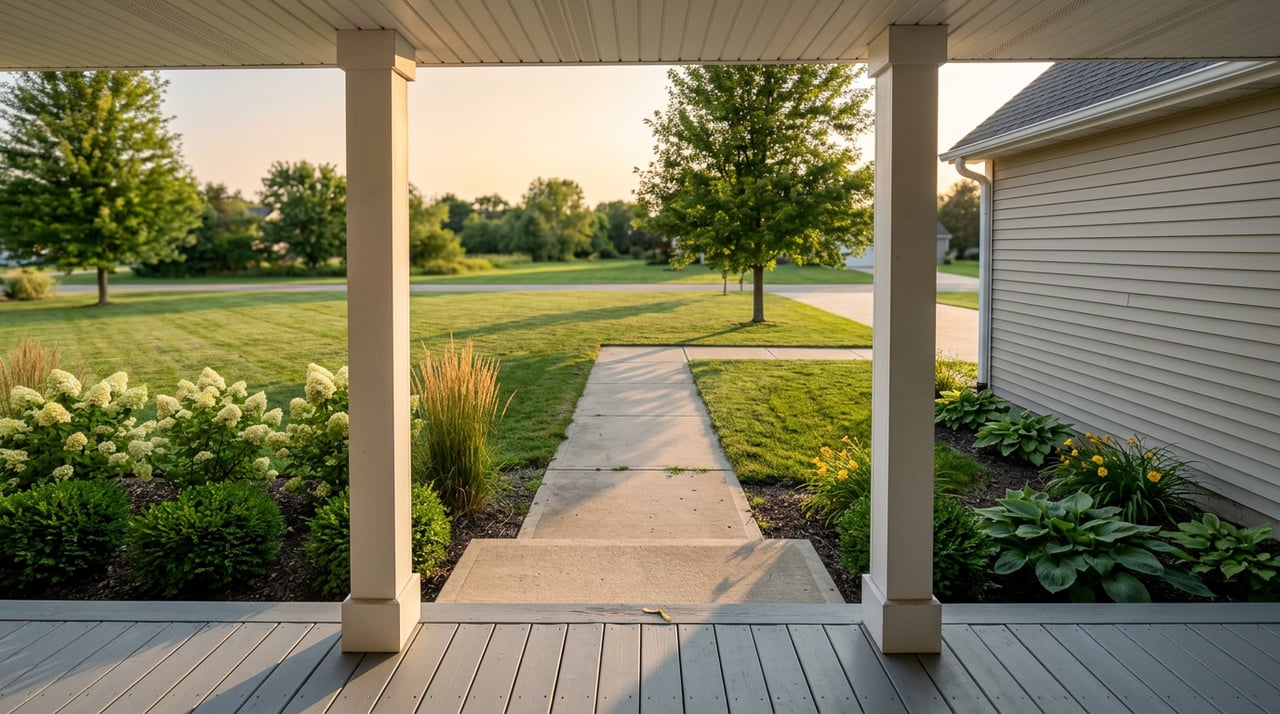
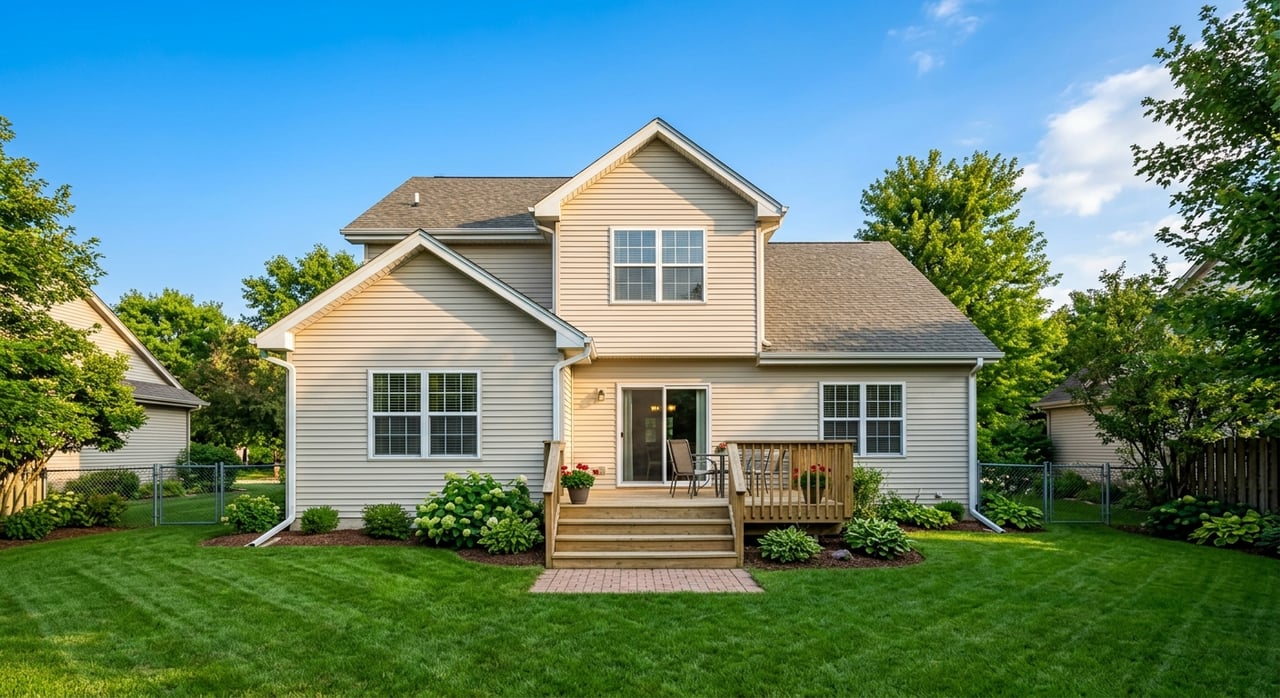
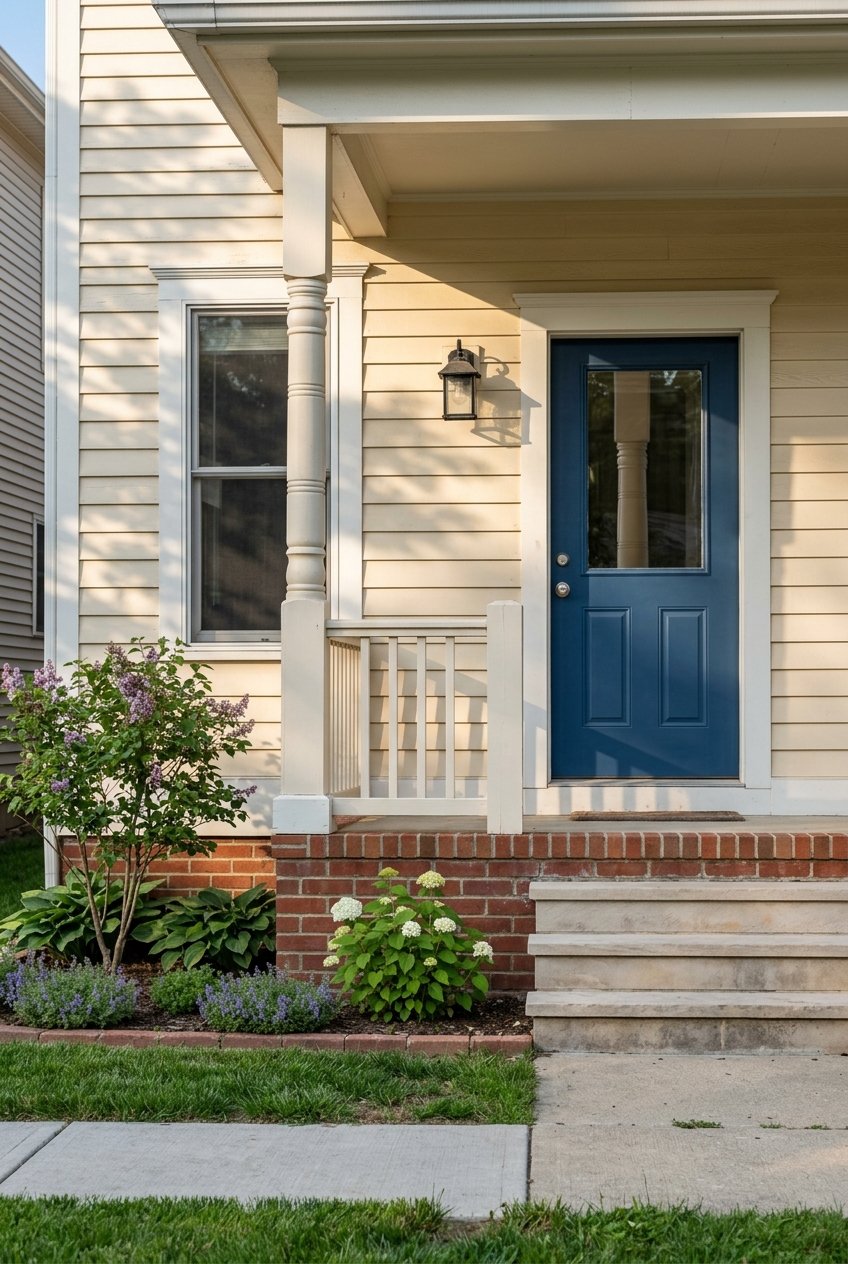
Pricing and presentation work together. When buyers see a clean, bright, move-in-ready home with quality visuals, they respond faster. Focus on cost-effective, high-impact items first:
The Alice Picchi Team’s presentation-first approach includes professional staging, photography, videography, and 3D walkthroughs that help reduce days on market and capture more buyer interest.
Gather recent solds from the last 3 to 6 months, plus pending and active listings within your subdivision or close radius. Review median days on market, months of inventory, and recent price reduction trends from local MLS snapshots. Pull property tax and assessment history if relevant.
Complete a room-by-room assessment and split action items into three buckets:
Assemble at least three sold comps, two pending, and several active competitors. Adjust for square footage, lot size, finished basement, garage capacity, age, and major renovations. Produce a recommended price range and a specific list price with a clear rationale tied to the comps.
Calculate months of inventory to determine if the market leans seller, balanced, or buyer. Choose your posture accordingly. In a balanced spring market, price at market or slightly below to capture early attention. Document the reasoning so you can adjust quickly if the data shifts.
Schedule staging and photography, and consider a pre-listing inspection if it helps reduce renegotiation risk. Plan the launch to maximize exposure, such as an early-week MLS entry, so weekend tour slots fill up. Use a coordinated online rollout for the strongest first impression.
Set metrics before you go live. For example, if you have no offers within 21 days or showing activity trails similar listings, be ready to adjust. Review feedback weekly, track new competing listings, and update your plan based on the latest data.
If you hit these red flags, consider a price correction paired with a marketing refresh, such as updated photos after staging tweaks or improved curb appeal.
If you need to reposition, move quickly and decisively rather than making multiple small reductions. Aim to land in a price band that broadens your buyer pool and aligns with the closest, most relevant comps. Combine the change with a fresh highlight of the home’s best features, updated staging details, and renewed buyer outreach.
You deserve a pricing plan that is precise, a presentation that sparks demand, and a process that feels smooth from start to finish. The Alice Picchi Team pairs local market expertise with a white-glove, media-driven listing experience. You get a detailed CMA, an absorption read, professional staging and visuals, and a clear monitoring plan so you can move with confidence.
We also provide weekly updates with showing feedback, new competing listings, and recommended next steps. Our team is bilingual in English and Polish, and we serve sellers across the northwest Chicago suburbs, including Lake in the Hills and neighboring communities.
Ready to price smart and sell fast this spring? Connect with the Alice Picchi Team to Request Your Free Home Valuation.
Stay up to date on the latest real estate trends.


Top Real Estate Team specializing in the Chicago northwest suburbs. We have a strong attention to detail, adapt well to situations, and work well under pressure.