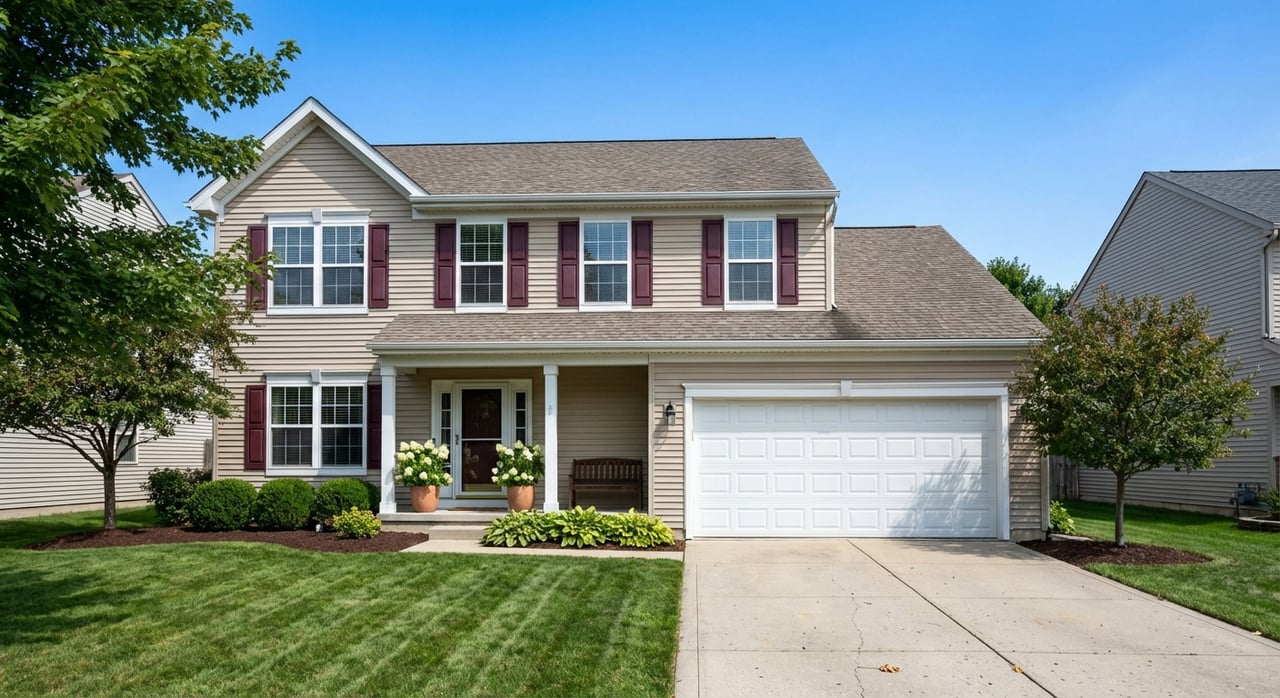
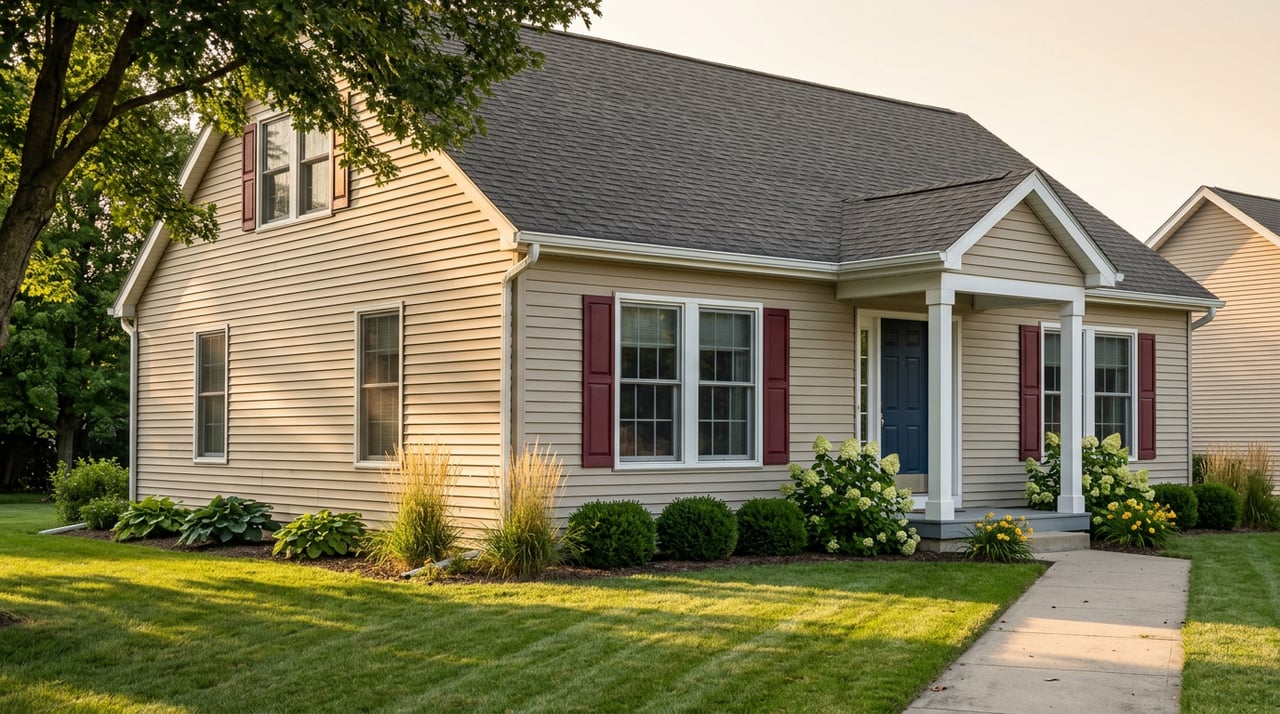
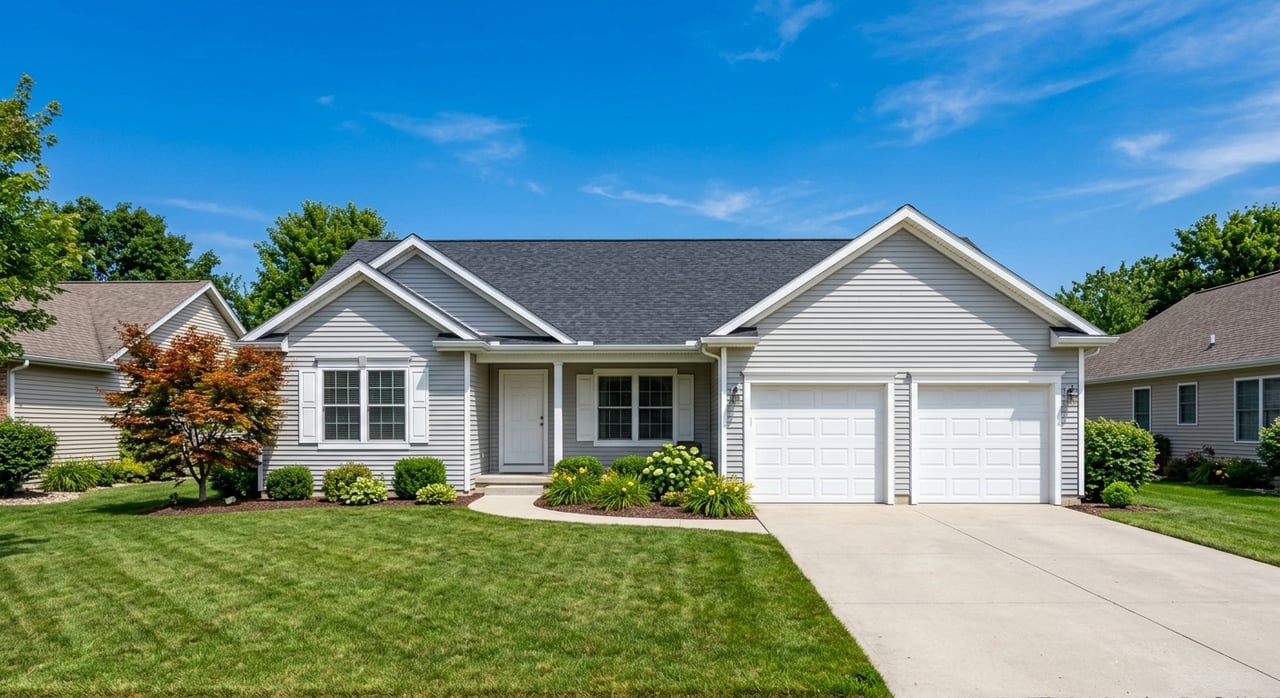
Thinking about selling your Lake in the Hills home this year? A little planning now can help you sell faster and for a stronger price when you hit the market. This practical, local checklist walks you through what to do and when, which permits and disclosures matter in Illinois, how to prep for photos and showings, and what typical costs look like. You will come away with a clear plan you can start today. Let’s dive in.
Lake in the Hills market snapshot
Pricing and days on market in Lake in the Hills shift month to month, so it pays to prep well and price with current data. Recent public snapshots show a range: one provider reported a median around $405,000 with roughly 34 days on market as of December 2025, another showed a median near $379,000 in January 2026, and a third estimated typical values closer to $360,000 as of late January 2026. Different sources use different inputs, which is why your final price and timing should be based on local MLS comparables.
Seasonality also plays a role across Chicagoland. Early spring often brings more buyers to the market, and an analysis for the Chicago region identified late March as a strong window to list. You can review that timing and pick an ideal launch week with your agent to maximize momentum. For the most accurate read, verify current pricing and tempo with a comparative market analysis and on-the-ground trends.
Your 12-month pre-list timeline
9 to 12 months: strategy and permitted projects
- Decide whether to sell as-is or tackle bigger updates. If you plan work, check the Village’s permit rules early. Lake in the Hills requires permits for many structural and system changes, and common items like roofing, furnaces, A/C, and water heaters often need permits that can be applied for online. Review the permit page and confirm contractor licensing and inspection sign-offs to avoid closing delays.
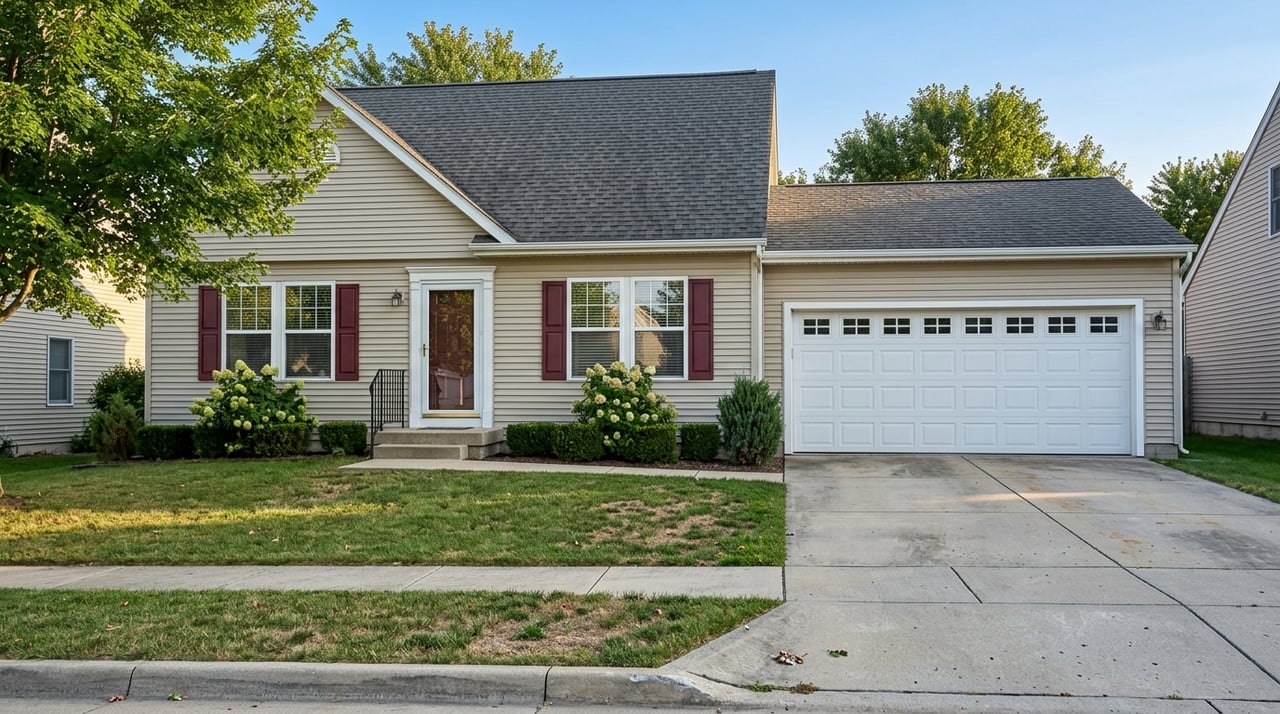
- Get a few contractor quotes and prioritize high visual impact. National cost-versus-value studies often show exterior improvements among the strongest for curb appeal. Choose projects with solid cost recapture rather than over-customizing.
3 to 6 months: inspections, repairs, and records
- Consider a pre-listing home inspection. A modest upfront fee usually returns peace of mind. You will get a prioritized repair list and can fix issues on your timeline, which reduces renegotiations and surprises later.
- If your property uses a private well or septic, check county health requirements and consider routine servicing or lab tests now. These can take time and may hold up escrow if addressed late.
- Organize documentation: permits and final inspection sign-offs, contractor receipts, appliance manuals, warranties, utility summaries, and any HOA or condo resale materials you may need.
6 to 12 weeks: high-impact prep and staging plan
- Knock out the high-ROI basics: deep clean, touch-up or repaint in neutral tones, refresh grout and caulk, fix minor plumbing and electrical issues, replace burned-out bulbs, and repair torn screens or cracked windows. Address small roof or soffit items that show up in photos.
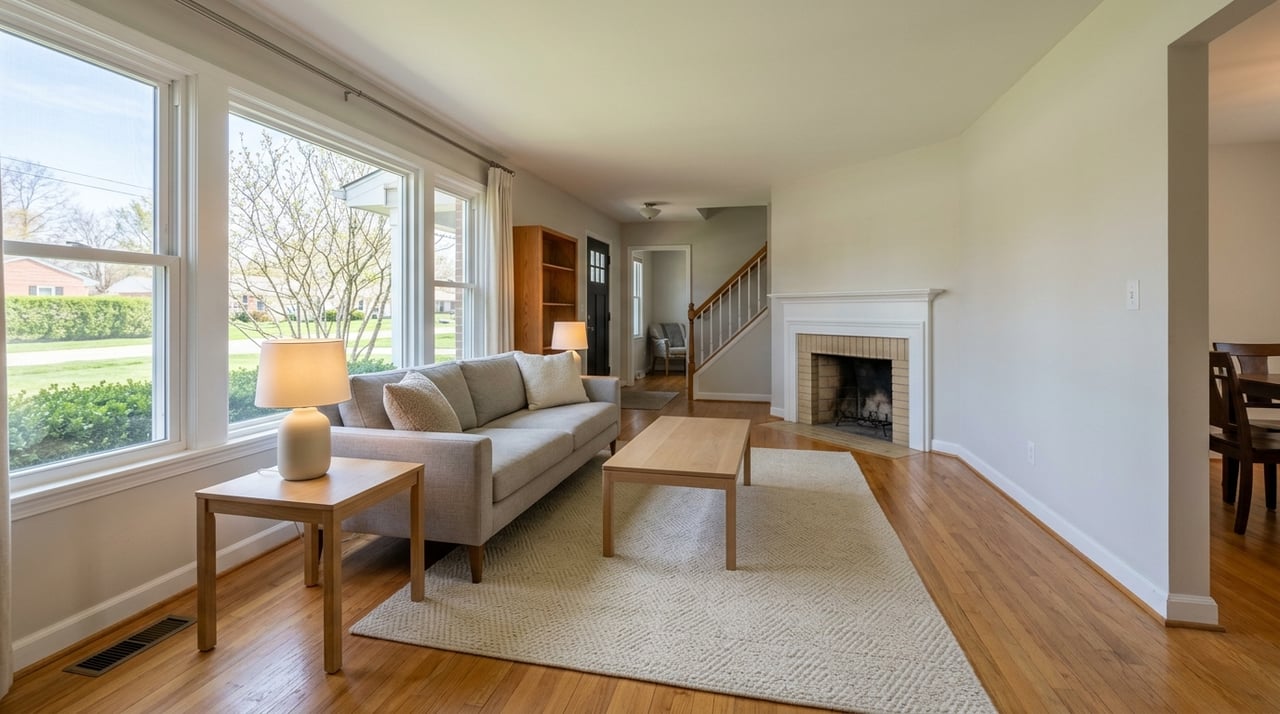
- Decide on staging. Industry surveys show staging can reduce time on market and sometimes increase offers. Focus first on the living room, primary bedroom, and kitchen, then expand as needed.
- Book your photographer and videographer once your staging plan is set. The first impression happens online, so your visuals need to shine.
2 to 4 weeks: photo and marketing readiness
- Prep for photo day. Clear counters, stash personal photos, make beds, open blinds, and remove pet items. Park cars off-site and set a comfortable thermostat. Strong photos and media packages drive more online views and can speed up your sale.
- Schedule exterior photos for a sunny day if possible. Consider twilight or drone images if your lot or outdoor spaces are a selling point.
1 to 7 days before listing and week one live
- Final polish: neutral scent, windows cleaned, lawn tidy, mulch freshened, lights bright. Remove clutter and keep surfaces clear.
- Prepare a simple property info sheet for showings that lists recent repairs, permits, warranties, and service records.
- Prioritize showing access the first weekend. Most attention comes in the first few days online, so make it easy for buyers to get in.
Permits and disclosures in Illinois
Illinois seller disclosure basics
Most sellers of 1 to 4 unit residential properties must complete the Illinois Residential Real Property Disclosure Report. Deliver this form before you sign a purchase contract, and provide a supplemental disclosure if you learn new material information before closing. Your listing agent or attorney can guide you through accurate completion and delivery.
- Learn more about Illinois seller disclosure requirements and timing.
Lead-based paint rules for pre-1978 homes
If your home was built before 1978, federal law requires that you provide the EPA/HUD pamphlet, disclose any known lead-based paint or hazards, and offer buyers a 10-day period to conduct a lead inspection or risk assessment unless waived in writing. These rules are separate from the state disclosure and are mandatory for covered properties.
- Review the federal lead disclosure requirements in 24 C.F.R. Part 35.
HOA and condo resale packets
If you are selling a condo or a home in a common-interest community, Illinois law requires delivery of a resale packet that typically includes budgets, reserves, rules, and any pending litigation. Associations can charge a fee and have set timelines, so order early to avoid delaying escrow.
- Get an overview of Illinois condo resale packet contents and process.
Village permits and contractor sign-offs
Lake in the Hills enforces permits for construction, remodels, and system work that alters structure, plumbing, electrical, or HVAC. Confirm permits were pulled and final inspections were passed for past projects, and keep proof on hand for buyers.
- Check Lake in the Hills permit triggers, online applications, and licensing.
Quick permit tip: If you are unsure whether a project needed a permit, call Lake in the Hills Village Hall via the Building Permits page. Verifying now reduces last-minute surprises during buyer inspections.
Staging, photos, and inspections that sell
- Staging impact. Many agents report that staging helps reduce time on market and can lead to higher offers. Start with the living room, primary bedroom, and kitchen for the most visible gains, then add secondary spaces if budget allows.
- Photo-first marketing. Professional visuals and modern media packages drive more online views and buyer interest. Your listing’s first cut happens on a phone screen. Clean lines, bright rooms, and clear focal points convert more clicks into showings.
- Pre-list inspection leverage. Sellers who inspect upfront gain control of the repair narrative. You can fix priority items, price accordingly for anything you choose not to do, and share documentation that builds buyer confidence.
Plan your budget
Here is a simple way to forecast pre-list investments. Actual costs vary by vendor and scope, but these ranges reflect typical suburban pricing.
| Scenario |
Typical items |
Estimated range |
| Low: Light refresh |
Deep clean, minor repairs, yard tidy, pre-list inspection, basic pro photos, staging consult |
$1,500 to $3,000 |
| Medium: Show-ready |
Inspection, targeted repairs, paint touch-ups, partial staging, enhanced photo set, light curb appeal |
$4,000 to $7,000 |
| High: Presentation-led |
Inspection, fuller staging, interior paint refresh, broader cosmetic fixes, premium photo/video/3D, curb appeal spruce-up |
$8,000 to $13,000+ |
Typical line items in these ranges include a pre-list inspection around $300 to $600, staging consults around $150 to $600 with partial or full staging often $800 to $4,000 or more, professional photos and media packages around $150 to $800 or more depending on add-ons, minor repairs or touch-ups from $500 to $5,000, and curb appeal updates like mulch and pruning at $100 to $1,000.
What to gather for buyers
- Permits and final inspection certificates for work such as roofing, additions, electrical, HVAC. Keep contractor names and dates handy.
- HVAC, water heater, and A/C service records, appliance manuals, and transferable warranties.
- Pest treatment records or reports if applicable.
- Your pre-list inspection report and receipts for any repairs you completed.
- HOA or condo resale packet, bylaws, budgets, minutes, and any estoppel or 22.1 disclosures if required.
- Completed Illinois seller disclosure and any supplemental updates.
- Lead-based paint disclosure paperwork and the EPA/HUD pamphlet for pre-1978 homes.
Prevent common hiccups
- Unpermitted work discovered during inspection. Track down permits and final sign-offs now so buyers are not spooked later.
- Mechanical surprises. HVAC, roof, plumbing, and electrical issues are frequent renegotiation triggers. A pre-list inspection will flag them early.
- HOA or condo resale delays. Order your packet early and confirm delivery timelines to keep closing on schedule.
- Environmental questions. For older homes, provide required lead disclosures. If buyers in your area often request radon or water tests, consider handling these upfront to streamline negotiations.
Launch with momentum
- Hit “go” when your media is strong and the home is spotless. That first weekend can set the tone of your sale.
- Keep showing windows generous, especially Saturday and Sunday. The easier it is to tour, the more likely you are to attract multiple buyers.
- Refresh mulch and entry planters, wipe smudges daily, and leave lamps on before showings. Small touches read as pride of ownership in photos and in person.
Ready to map your exact timeline, budget, and launch week for Lake in the Hills? The Alice Picchi Team delivers full-service listing prep with professional staging, photography, video, and 3D tours that help you sell faster and for more. Request Your Free Home Valuation today with the Alice Picchi Team.
FAQs
When is the best time to list a Lake in the Hills home?
- Early spring often brings more buyer activity in Chicagoland, and one regional analysis identified the week of late March as a strong window to list. Confirm the best week with your agent based on current local trends.
Do I need a permit to replace a roof or furnace in Lake in the Hills?
- Yes, the Village requires permits for many structural and system changes, including common items like roofing and HVAC. Review permit triggers and the online application process, and keep final inspection sign-offs for buyers.
What does the Illinois seller disclosure require me to do?
- Most sellers of 1 to 4 unit residential properties must deliver the Illinois Residential Real Property Disclosure Report before signing a contract and supplement it if new information arises before closing. Your agent or attorney can help you complete it accurately.
I have a pre-1978 home. What lead disclosures are required?
- Federal rules require that you give buyers the EPA/HUD pamphlet, disclose known lead-based paint or hazards, and allow a 10-day inspection period unless waived. These apply in addition to the Illinois seller disclosure.
How much should I budget for staging in the northwest suburbs?
- Staging costs vary by scope. Expect a consult around $150 to $600, and partial to full staging often runs $800 to $4,000 or more for a typical suburban home. Vacant luxury packages cost more, while virtual staging can lower costs for empty spaces.
Is a pre-listing inspection really worth it for sellers?
- For most homes, yes. A pre-list inspection typically costs a few hundred dollars and helps you identify and fix issues on your schedule, which reduces renegotiations and keeps closing on track.