Woodstock IL Real Estate Overview: Historic or Newer?
May 7, 2026
May 7, 2026
Wondering whether Woodstock is a better fit for your lifestyle if you want a vintage home near the Square or a newer home with a more predictable suburban layout? You are not alone. Many buyers are drawn to Woodstock because it offers both historic character and newer development, but those two experiences can feel very different once you start touring homes. This snapshot will help you understand Woodstock’s housing patterns, pricing range, and what to expect before you make a move. Let’s dive in.
Woodstock reads as a mixed market with a strong owner-occupied base. Census QuickFacts shows a 71.8% owner-occupied rate and a median household income of $82,758, which supports the picture of a stable suburban community.
Public market trackers place Woodstock home values and pricing in a broad low-to-mid $300,000s range, but each source measures the market differently. Redfin reported a March 2026 median sale price of $355,000 with about 74 days on market, Realtor.com showed a median listing price of $396,250 with 181 homes for sale and a 35-day median days on market, and Zillow placed the average home value at $326,640 with homes going pending in about 19 days.
The biggest takeaway is not one exact number. It is that Woodstock offers a meaningful spread in price, style, and pace depending on whether you are looking at the historic core, established neighborhoods, or newer edge-of-town subdivisions.
Woodstock’s adopted land-use plan shows several distinct residential patterns across the city. Single-family neighborhoods are intended to remain the dominant residential form, while mixed residential areas can include detached homes, townhomes, duplexes, and smaller multifamily buildings.
The city also concentrates multifamily housing near transportation nodes such as IL Route 47 and IL Route 120. Downtown, centered around Woodstock Square, is intended to support high-density housing, mixed use, and adaptive use.
That means your experience can shift quickly depending on where you search. Near the Square, you may find a more compact, historic setting. On the edges of town, the feel often becomes more suburban or even semi-rural.
Woodstock’s plan makes a clear distinction between rural or rural residential areas and more urbanized parts of the city. The rural areas do not have city water, sewer, and stormwater infrastructure, and the city generally prioritizes new growth within municipal boundaries.
For you as a buyer, that matters because two homes with the same Woodstock address may come with very different surroundings and infrastructure context. One may feel closely connected to town amenities, while another may offer a quieter, less urban setting.
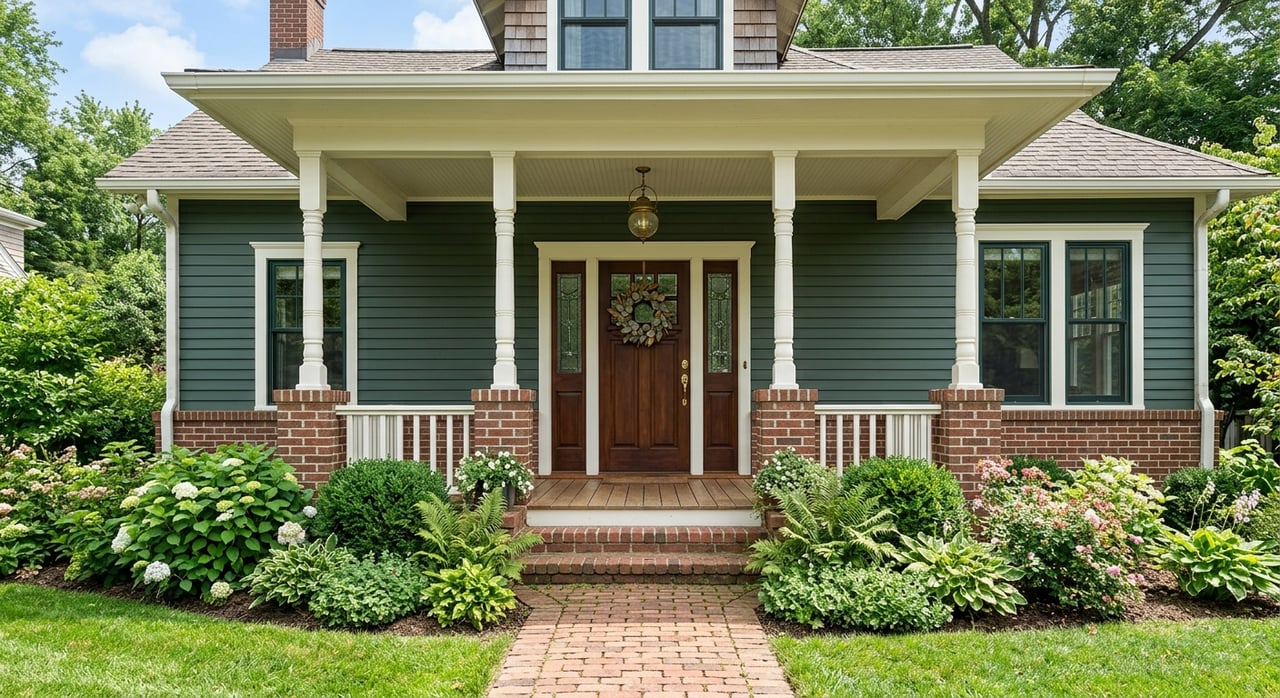
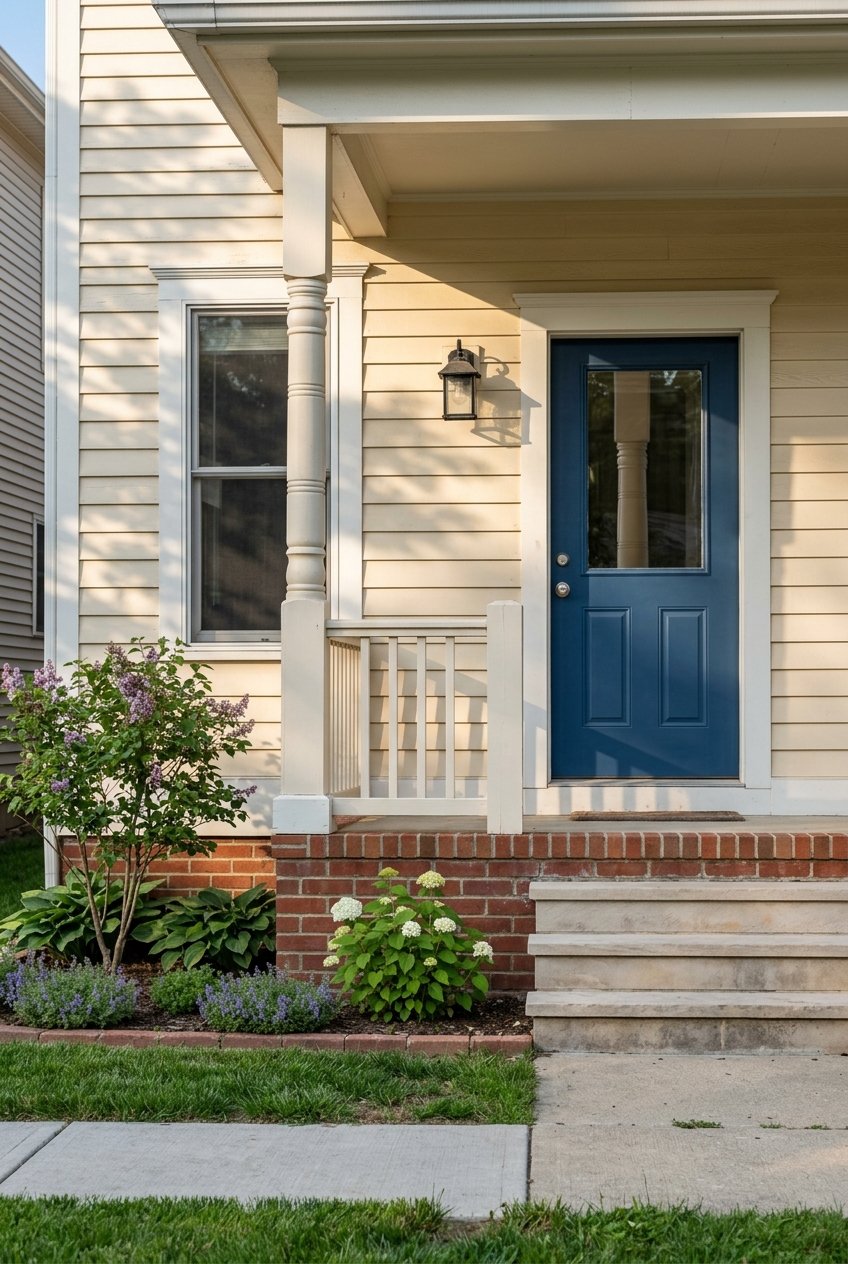
If you are drawn to older homes, Woodstock Square is one of the city’s defining features. The Square is on the National Register of Historic Places and sits at the center of Woodstock’s Historic District, where you will find late-19th-century buildings, brick streets, period lighting, and restored Victorian homes around the Square.
The Old McHenry County Courthouse and the Woodstock Opera House are two of the area’s best-known anchors. The Opera House was listed in 1974, and the Woodstock Square Historic District was listed in 1982.
Buying in a historic setting can be rewarding, but it also means you need to understand the rules before planning exterior updates. Woodstock says exterior work on properties in the Downtown Business Historic Preservation District requires compliance with Historic Design Review Guidelines and a Certificate of Appropriateness before construction begins.
Some work may be approved administratively, while other projects go before the Historic Preservation Commission. If you love original architecture and want to preserve it, that structure can be a benefit. If you want broad freedom to change exterior details, it is important to know that upfront.
Historic homes near the Square can offer renovation potential, but that potential often works best when paired with respect for the existing character. Woodstock’s comprehensive plan supports adaptive use and historic preservation whenever possible, and it discourages changes that would erode neighborhood character.
The Old Courthouse Center renovation is a strong local example. That 19th-century complex was renovated and completed in summer 2023 with modern systems and accessibility upgrades while preserving historic details.
The city says historic properties in certified districts may be eligible for incentives such as income tax credits, a property tax assessment freeze, and grants. If you are considering a historic property, it may be worth asking early about eligibility and process.
That does not mean every project will qualify, but it does show that Woodstock supports preservation as part of its long-term identity. For the right buyer, that can add meaningful value beyond the home itself.
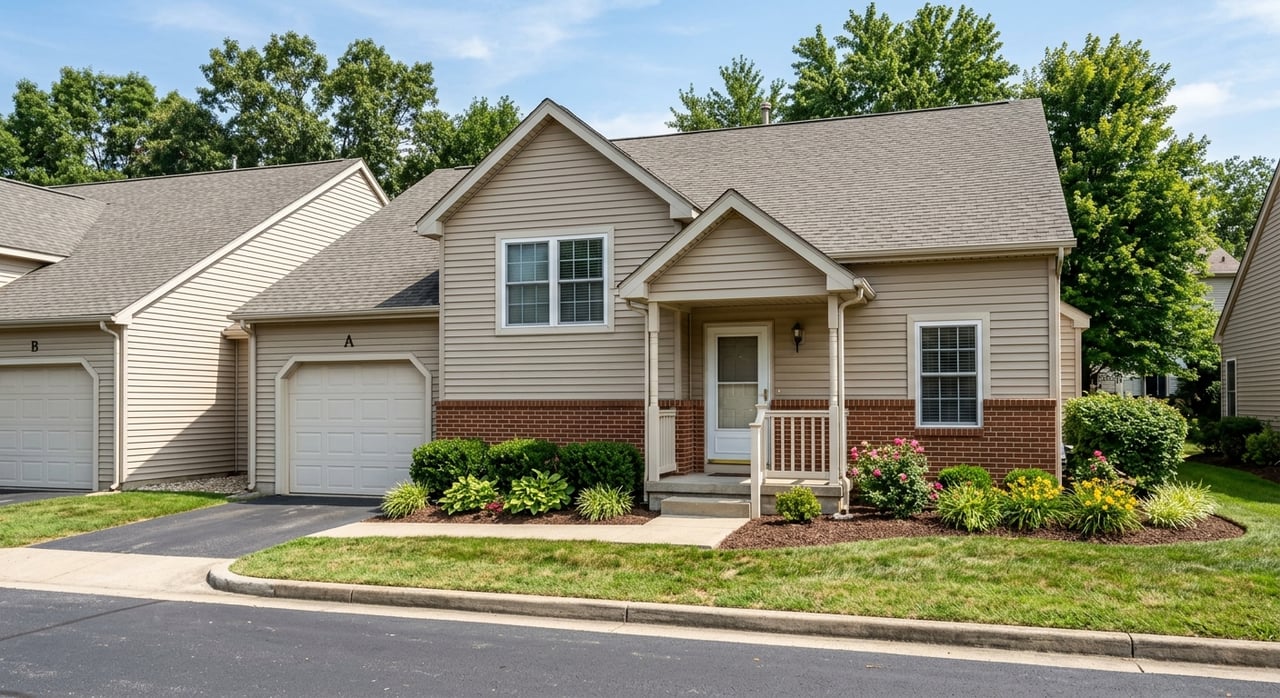
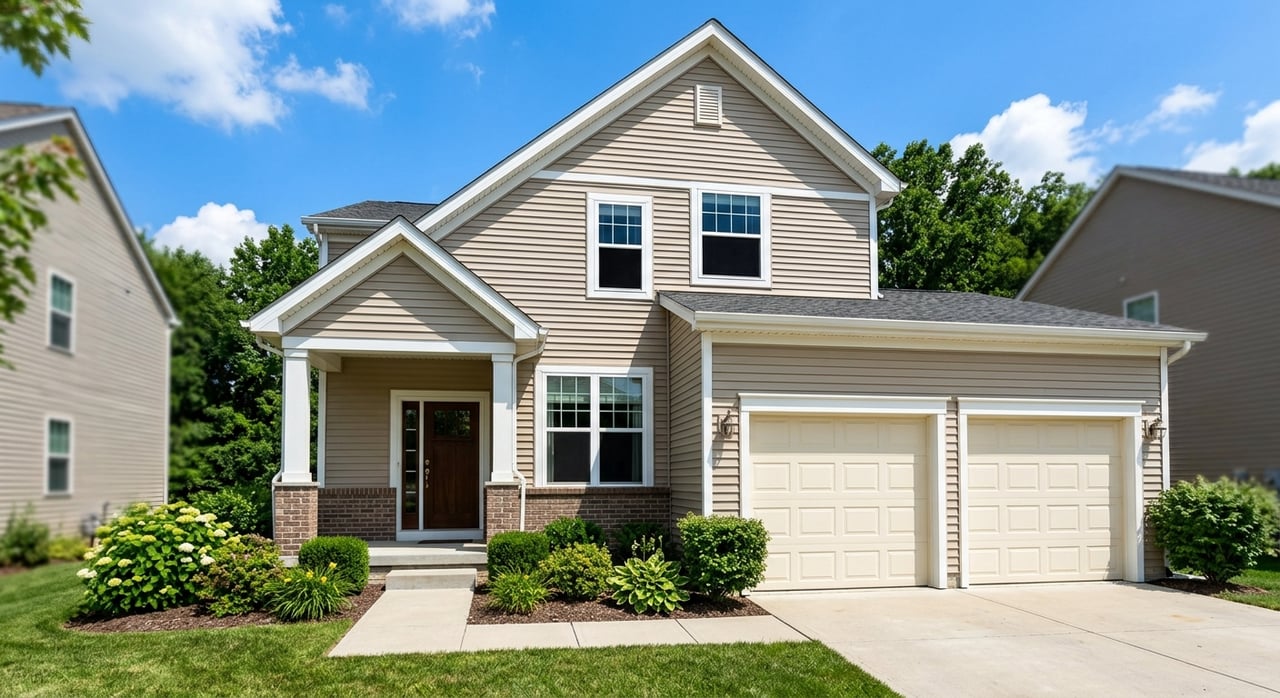
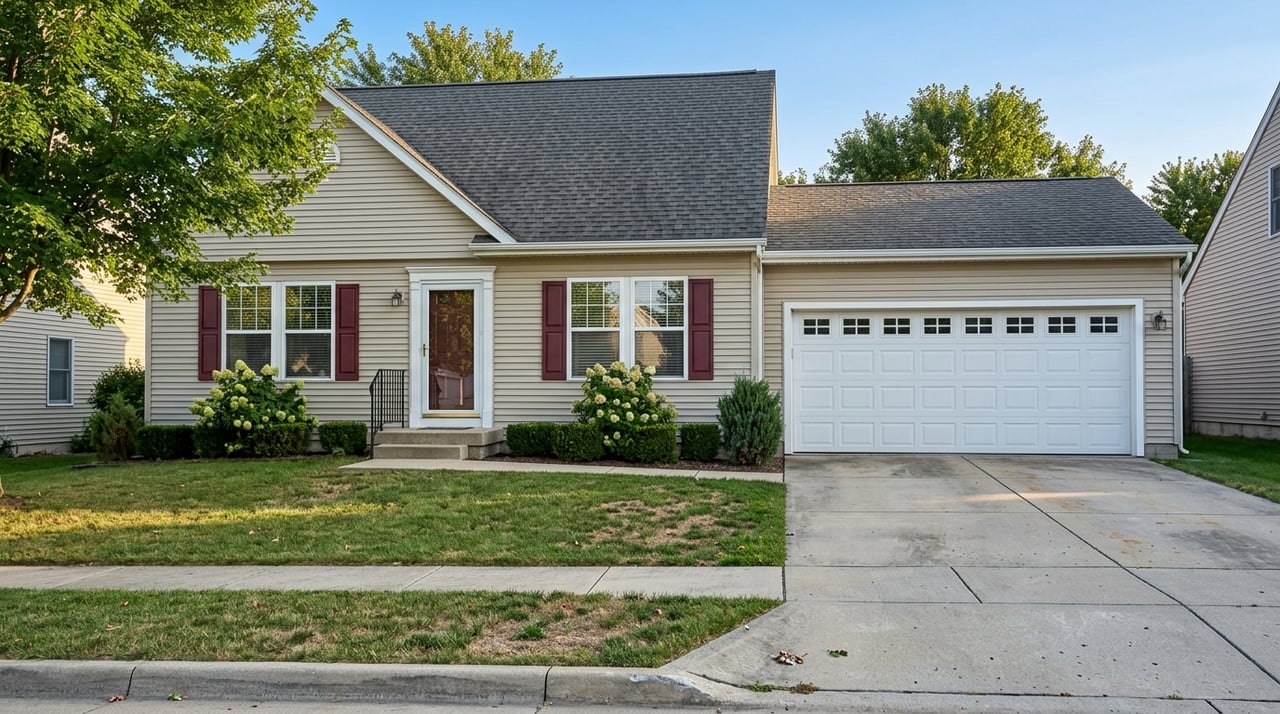
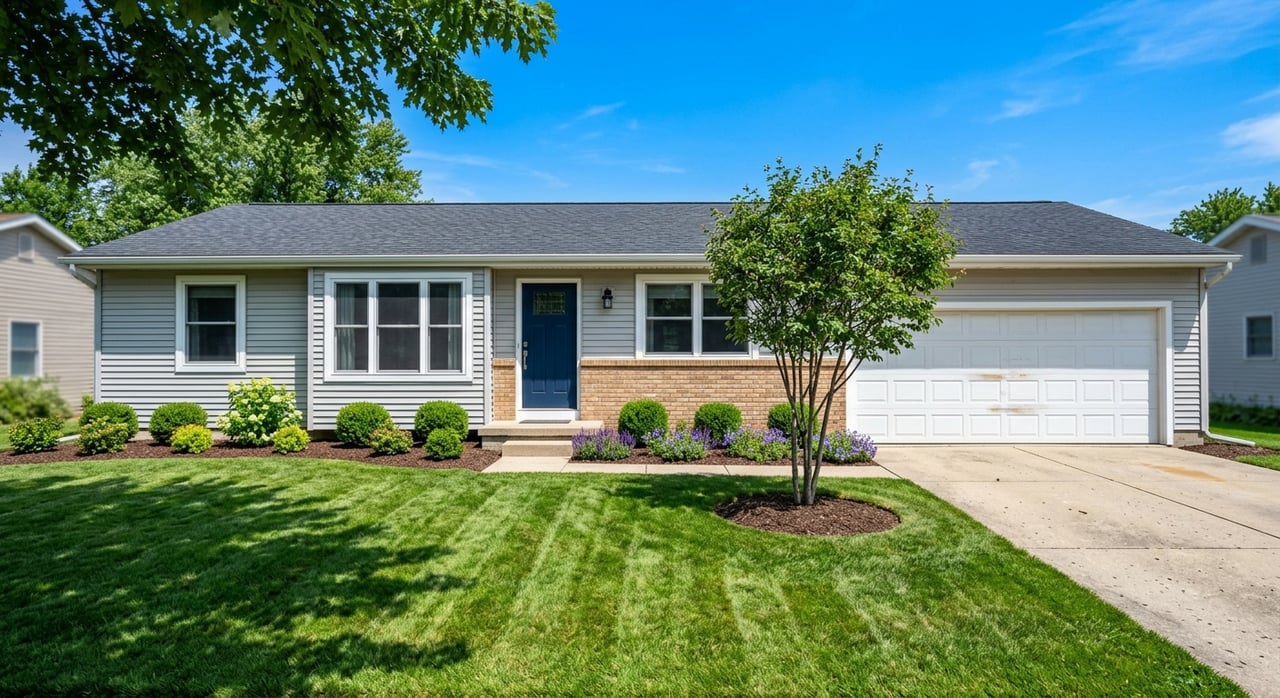
If your priorities are a more current floor plan, fewer preservation restrictions, and a more conventional suburban setup, newer areas of Woodstock may feel like a better match. The city’s plan continues to favor single-family neighborhoods as the predominant residential form, with mixed residential areas allowing options like duplexes and smaller multifamily buildings.
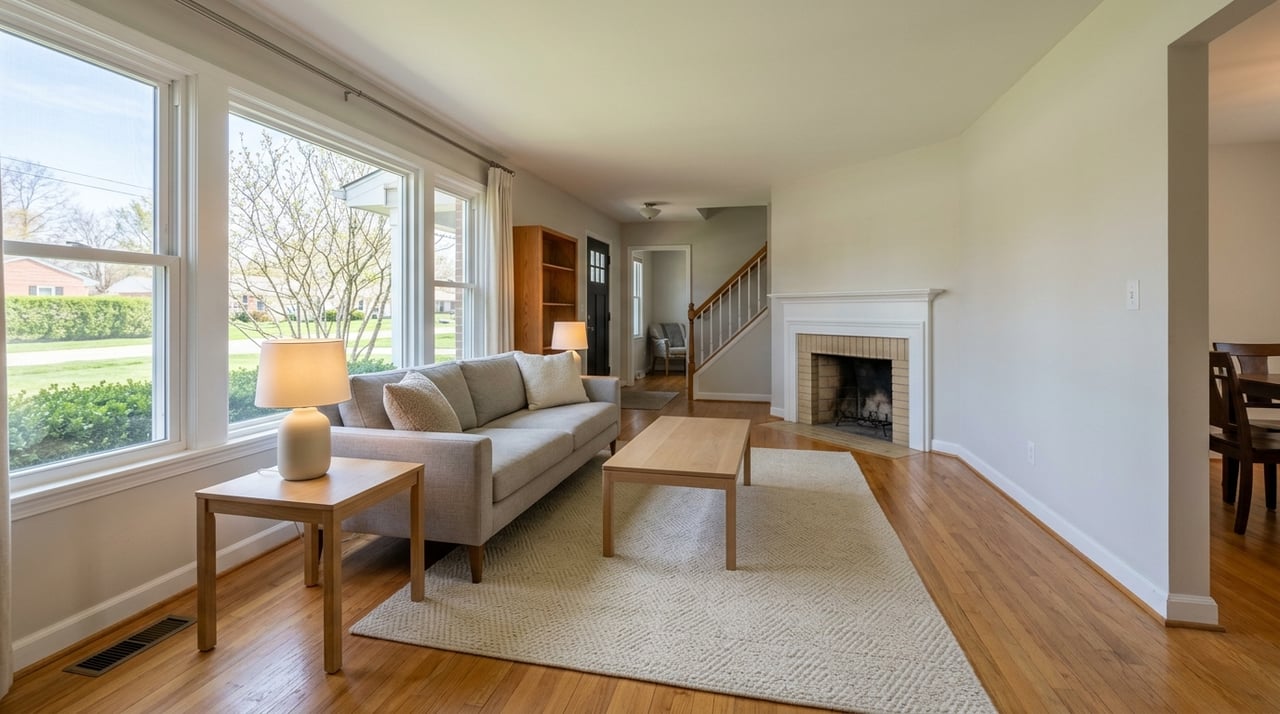
In practical terms, newer neighborhoods are where you are more likely to find homes designed around today’s suburban expectations. That can mean more open layouts, less renovation friction, and a simpler path if you want to personalize the home over time.
A current example of edge-of-town growth is Riverwoods Subdivision. According to 2025 city Plan Commission minutes, Phase 2 was described as generally east of Doty Road and north of Lucas Road, with 38 single-family lots and 19 duplex lots.
Those same minutes note that Phase 1 had already been approved and recorded, and that building permits were being accepted. For buyers watching new supply, Riverwoods is one example of how Woodstock continues to add newer housing choices beyond the historic core.
One of the most important things to understand about Woodstock is that pricing can shift a lot by location, lot type, and finish level. Citywide trackers cluster around the mid-$300,000s, but neighborhood-level asking prices can look very different.
Realtor.com neighborhood data shows Apple Creek Estates around a $267,450 median list price, while Bull Valley Golf Club is around $644,000. Downtown inventory is also thinner, which can make direct comparisons harder.
That is why it helps to compare homes pocket by pocket instead of relying only on a citywide average. In Woodstock, the style of home you want can shape your budget just as much as square footage.
If you are deciding between Woodstock’s older homes and newer subdivisions, a side-by-side framework can help.
| Home Type | What You May Value Most | What to Keep in Mind |
|---|---|---|
| Historic Square-area homes | Architecture, walkable historic setting, renovation potential, unique details | Exterior changes may involve design review and approvals |
| Newer subdivisions | Contemporary layouts, easier customization, more predictable suburban setup | Character may feel more standardized from one area to another |
Neither option is better for everyone. The right choice depends on how much change you want to make, how much character matters to you, and how comfortable you are with the tradeoff between uniqueness and predictability.
If you are serious about buying in Woodstock, start by deciding what matters most in your day-to-day life. Do you want proximity to the Square and a home with architectural personality, or do you want a layout and setting that feel more turnkey and suburban?
Next, look beyond list price. In Woodstock, total ownership cost can be shaped by renovation scope, approval processes for historic properties, and the differences between established and newer neighborhoods.
Finally, compare homes based on the specific pocket, not just the Woodstock name. That approach gives you a clearer picture of value and helps you avoid lumping together homes that serve very different needs.
Whether you are searching for a historic property with timeless details or a newer home with room to grow, Woodstock gives you options that are hard to find in a one-note market. If you want help comparing neighborhoods, understanding local housing patterns, or planning your next move in the northwest suburbs, connect with Alice Picchi.
Stay up to date on the latest real estate trends.
Top Real Estate Team specializing in the Chicago northwest suburbs. We have a strong attention to detail, adapt well to situations, and work well under pressure.