New Construction Or Vintage Charm In Woodstock Homes
June 25, 2026
June 25, 2026
If you are torn between a home with original character and one with newer systems, Woodstock gives you a real choice. This is not a market where every home fits one mold, and that is part of the appeal. In Woodstock, you can weigh downtown history, architecture, and walkable event spaces against newer-code construction, simpler upkeep, and a different day-to-day rhythm. Let’s dive in.
Woodstock is a mid-sized city of about 25,630 residents, and its housing stock is more varied than many buyers expect. While the downtown core is known for its historic feel, the broader housing picture includes a large share of later-built homes. CMAP’s snapshot shows a median year built of 1987, with 41.4% of housing units built between 1990 and 2009.
That mix matters when you start touring homes. Instead of choosing between two completely different towns, you are choosing between two different living experiences within the same city. In Woodstock, that often comes down to vintage charm near the Square or newer-code housing in later subdivisions.
If you picture Woodstock as brick streets, restored Victorian homes, and landmark buildings, you are probably thinking of the historic area around the Square. The city describes this area as anchored by the Old McHenry County Courthouse, the Woodstock Opera House, and surrounding period details that shape its identity.
For many buyers, this part of Woodstock offers a sense of place that is hard to copy. The city’s design-review guidelines identify historic residential styles such as Greek Revival, Italianate, Second Empire, Folk Victorian, Queen Anne, Prairie, Craftsman, and American Foursquare. In the historic district, virtually all residential structures are at least 50 years old.
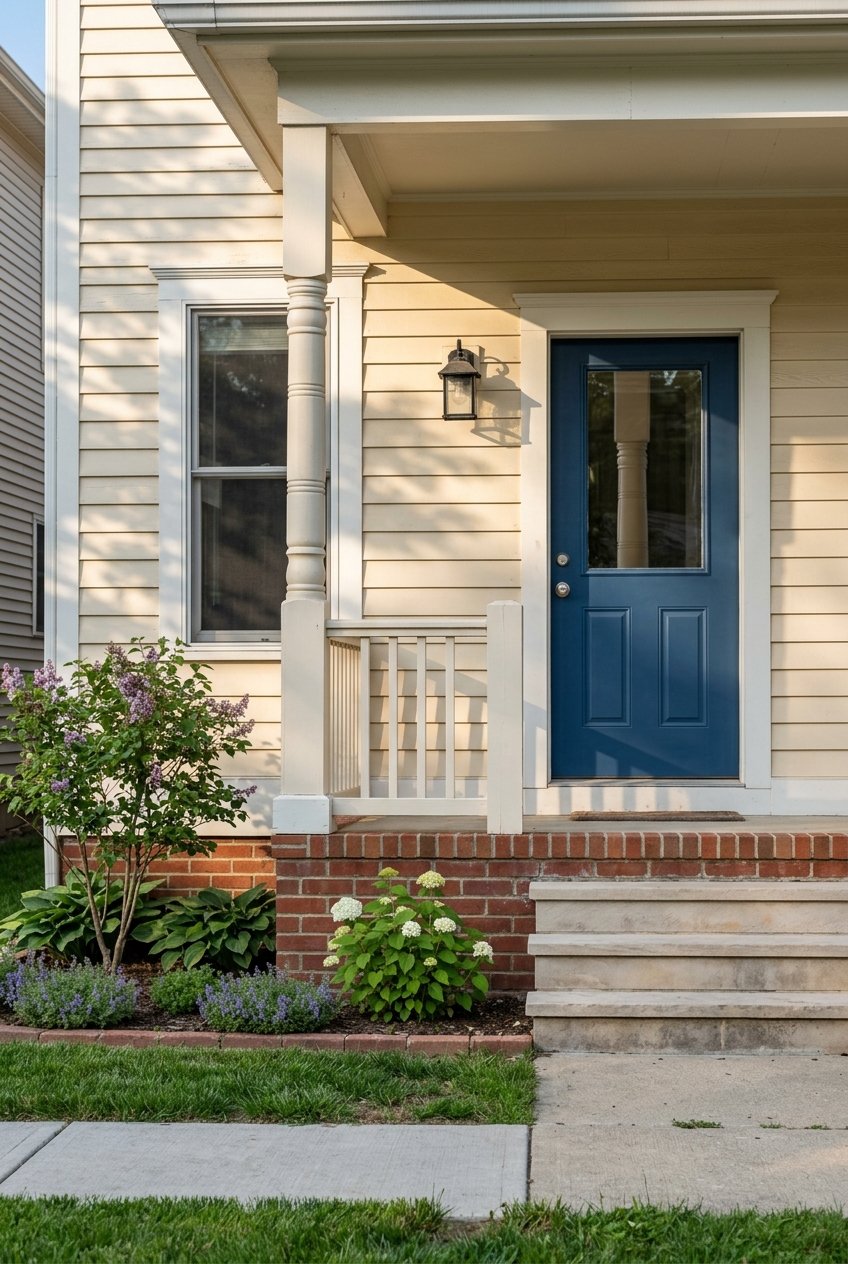
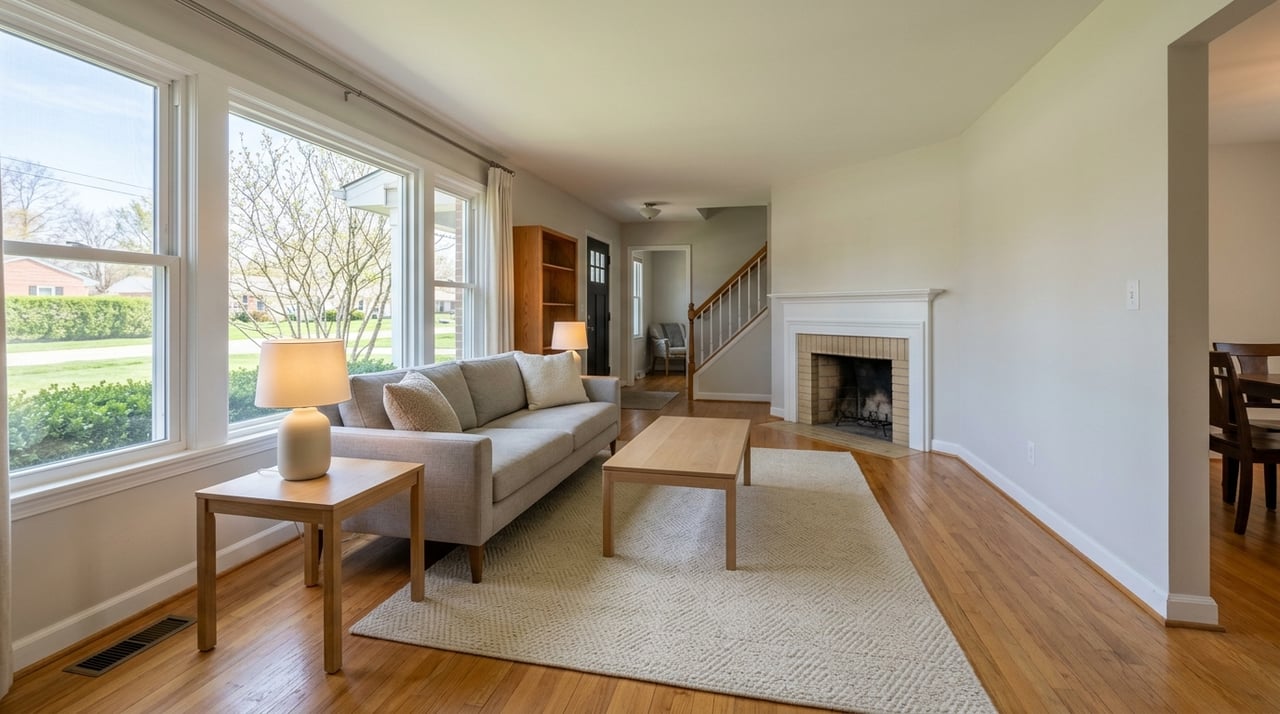
Older homes often stand out for their detail and individuality. You may find distinctive rooflines, front porches, original masonry, built-ins, woodwork, or room layouts that feel different from newer suburban construction.
There is also a lifestyle factor. Living closer to the Square can mean easier access to downtown events, summer band concerts, the Opera House, and commuter options like the Union Pacific/Metra line. The city also notes free downtown parking and a 24-hour Metra lot, which can matter if convenience is part of your daily routine.
Character usually comes with responsibility. If a home is in the Downtown Business Historic Preservation District, exterior work on historic landmarks or district properties requires a Certificate of Appropriateness before construction starts, and some projects may also require Historic Preservation Commission approval.
That does not mean historic ownership is a bad fit. It simply means you should go in with clear expectations. If you want to change windows, masonry, trim, siding details, or other exterior elements, the review process may be part of your ownership experience.
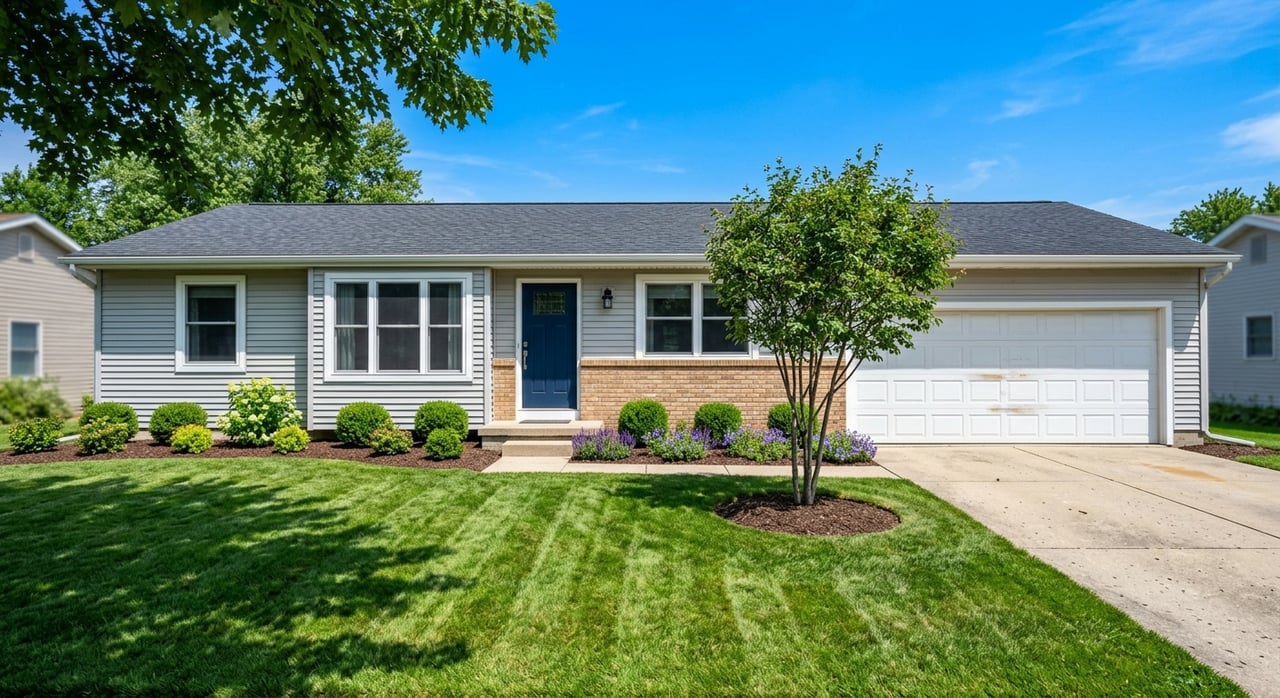
If your priority is a more modern setup, Woodstock also offers homes built well after the historic era. The city’s planning framework supports preserving downtown while also encouraging thoughtful growth and housing options for residents in different stages of life.
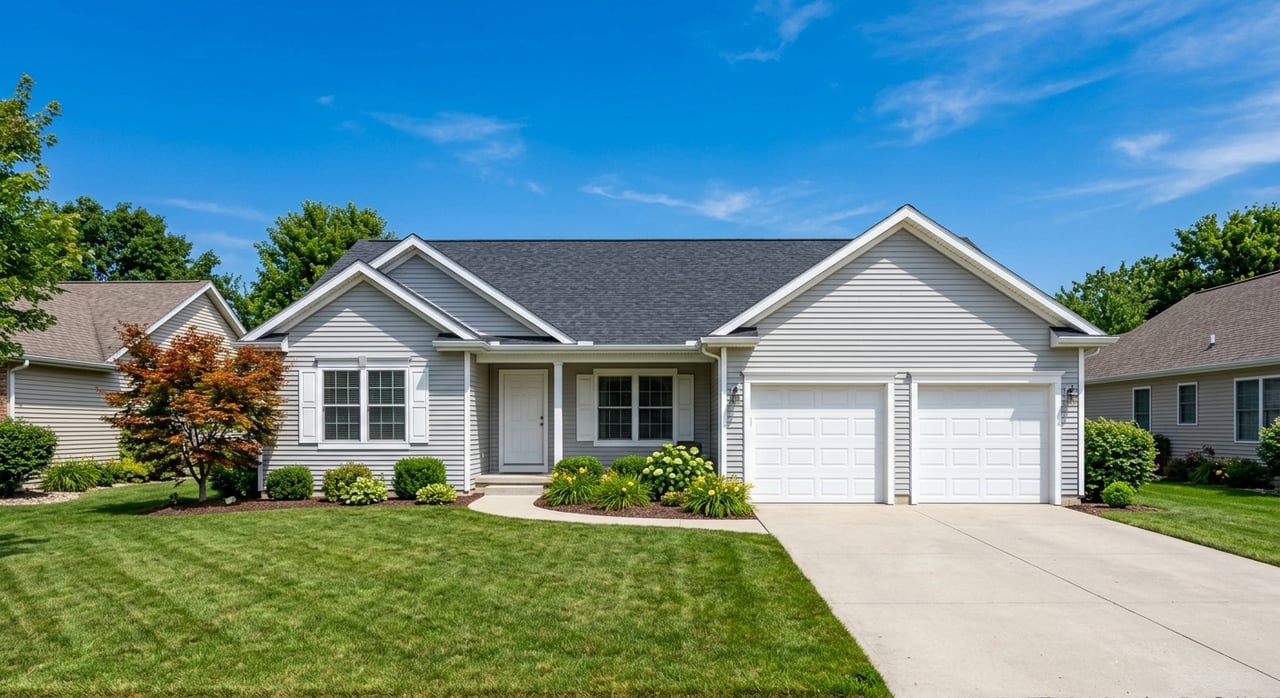
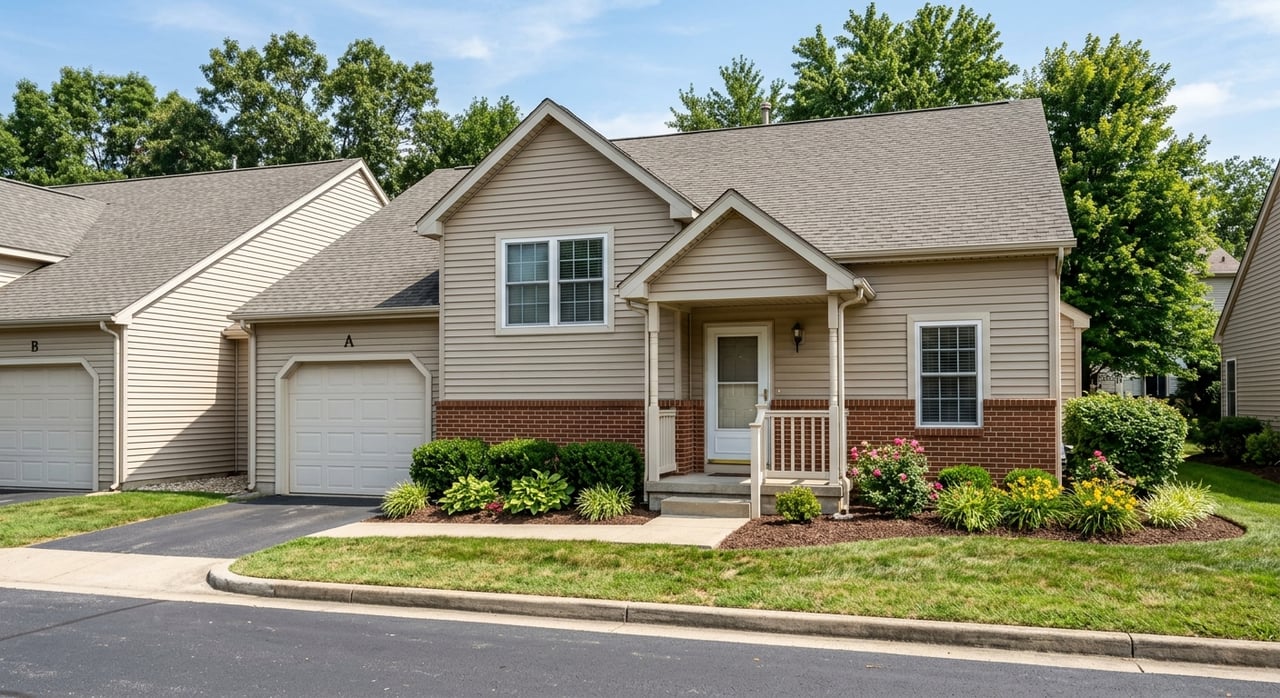
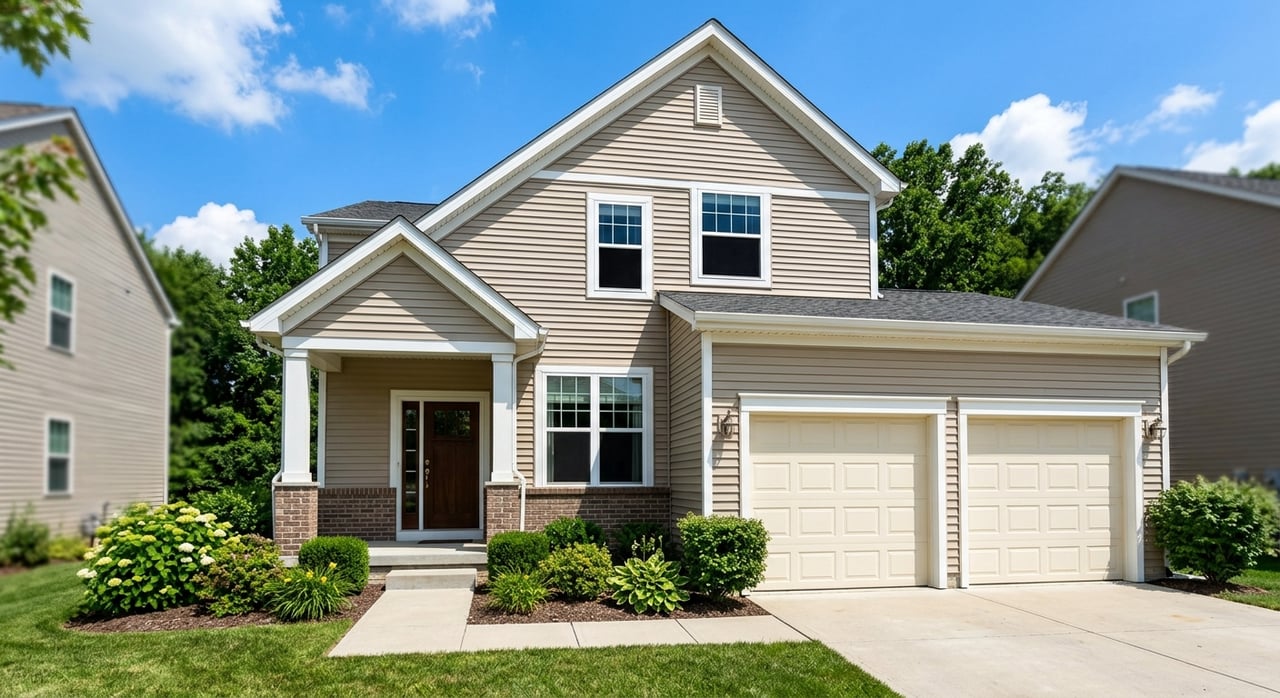
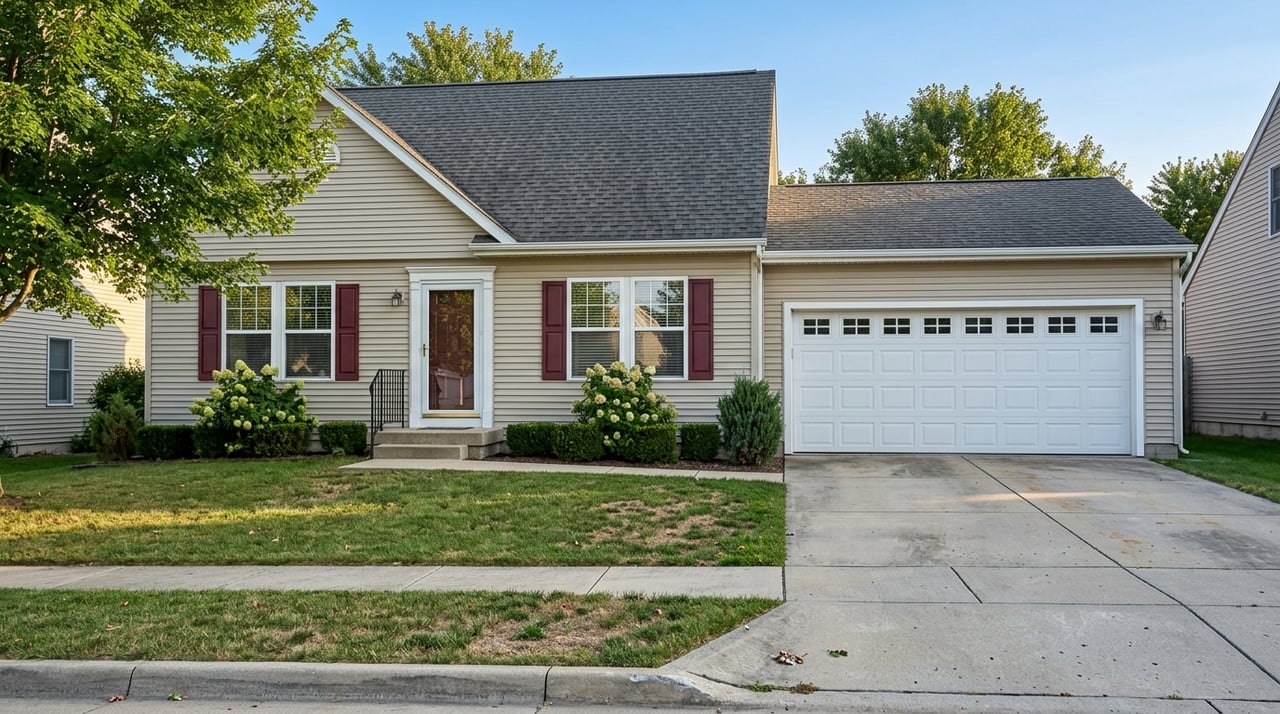
This is one reason Woodstock can appeal to a wide range of buyers. You can look beyond the historic core and find homes shaped by later suburban development patterns, often with layouts and systems that feel more familiar to today’s buyers.
Newer homes are often attractive because they were built under more current standards. Woodstock reviews new construction under adopted codes that include the 2021 International Building Code, Residential Code, Mechanical Code, Fire Code, Existing Building Code, and Property Maintenance Code, along with the current Illinois Energy Conservation Code and applicable plumbing and accessibility codes.
For you, that can translate into a different ownership experience. While every home still needs maintenance, newer homes may reduce the likelihood of some legacy issues that often come with much older properties.
A newer-code setting can feel more straightforward if you want fewer preservation-related exterior restrictions. Outside the historic district, buyers are often choosing an environment with less restoration complexity than the homes around the Square.
That can be especially appealing if your wish list includes practical daily function. You may care less about period architecture and more about layout flow, storage, insulation, ventilation, or the simplicity of making updates over time.
In Woodstock, this choice is usually bigger than style alone. It is often about how you want to live and how much upkeep you are comfortable managing.
A vintage home near the Square may give you a more historic setting and closer ties to downtown life. A newer home may give you more of a current-code environment and a maintenance profile that feels easier to predict. Neither option is automatically better. The right fit depends on your priorities.
If you love the look of an older Woodstock home, due diligence matters. Older properties can be wonderful, but they often need more careful inspection and a more informed ownership plan.
One major example is lead-based paint. The EPA says older homes are more likely to contain it, estimating that 87% of homes built before 1940 and 24% of homes built between 1960 and 1978 have some lead-based paint. Federal disclosure rules also apply to housing built before 1978.
Moisture is another issue worth taking seriously. EPA guidance recommends keeping gutters in repair, making sure the ground slopes away from the foundation, controlling humidity, and drying wet materials within 24 to 48 hours to help prevent mold.
Historic materials also require care. Woodstock’s design guidelines caution that masonry in good condition should remain unpainted, that sandblasting and high-pressure washing are discouraged, and that tuckpointing or repointing should focus on areas with actual deterioration.
A newer home can reduce some of the concerns tied to older housing stock, but it is not maintenance-free. Drainage, insulation, ventilation, and regular upkeep still matter.
Woodstock’s adopted code set reflects that expectation. Current-code construction is only part of the story. Ongoing property maintenance is still important if you want to protect comfort, durability, and value over time.
Yes, and this is where many buyers get stuck. It is easy to assume you must choose either a charming older home or a comfortable, efficient home, but that is not always true.
The research suggests those goals do not have to conflict. Guidance from the National Park Service notes that energy efficiency and preservation are not mutually exclusive, which is encouraging if you are drawn to older architecture but still want a home that feels comfortable and functional.
The key is to stay realistic. A vintage home may need a more thoughtful approach to upgrades, while a newer home may offer convenience from day one. Your best choice depends on whether you value immediate ease, long-term projects, or a balance of both.
When buyers compare Woodstock homes, the clearest path is to focus on how each home fits your real life. Price matters, of course, but this decision often lands on location habits, maintenance tolerance, and renovation comfort.
Ask yourself a few simple questions:
If you answer those questions honestly, your direction usually becomes much clearer. What looks like a style decision on the surface is often really a lifestyle and ownership decision underneath.
If you are comparing Woodstock homes and want help sorting through historic charm, newer construction, and what fits your day-to-day life, Alice Picchi can help you narrow your options with local insight and a clear plan.
Stay up to date on the latest real estate trends.
Top Real Estate Team specializing in the Chicago northwest suburbs. We have a strong attention to detail, adapt well to situations, and work well under pressure.