Moving From Chicago to Cary, IL: What to Expect
July 2, 2026
July 2, 2026
Thinking about leaving Chicago for more space, easier parking, and a quieter daily routine? Cary, Illinois, often lands on the shortlist for buyers who want a suburban setting with a direct rail link to the city. If you are weighing that move, this guide will help you understand what life in Cary really looks like, what kinds of homes you will find, and what to expect from the local market. Let’s dive in.
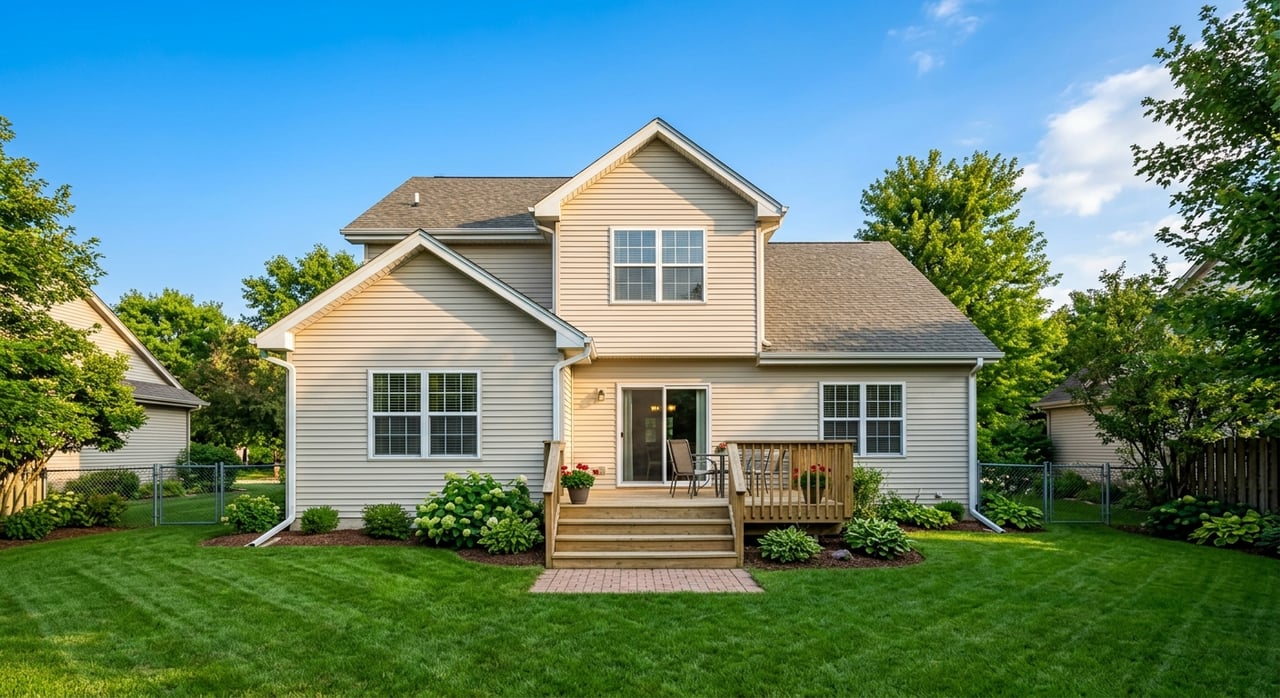
If you are moving from Chicago to Cary, the biggest shift is not just distance. It is lifestyle. Cary is about 45 miles from downtown Chicago and about 30 miles from O'Hare, and it functions more like a house-first suburb than a city neighborhood.
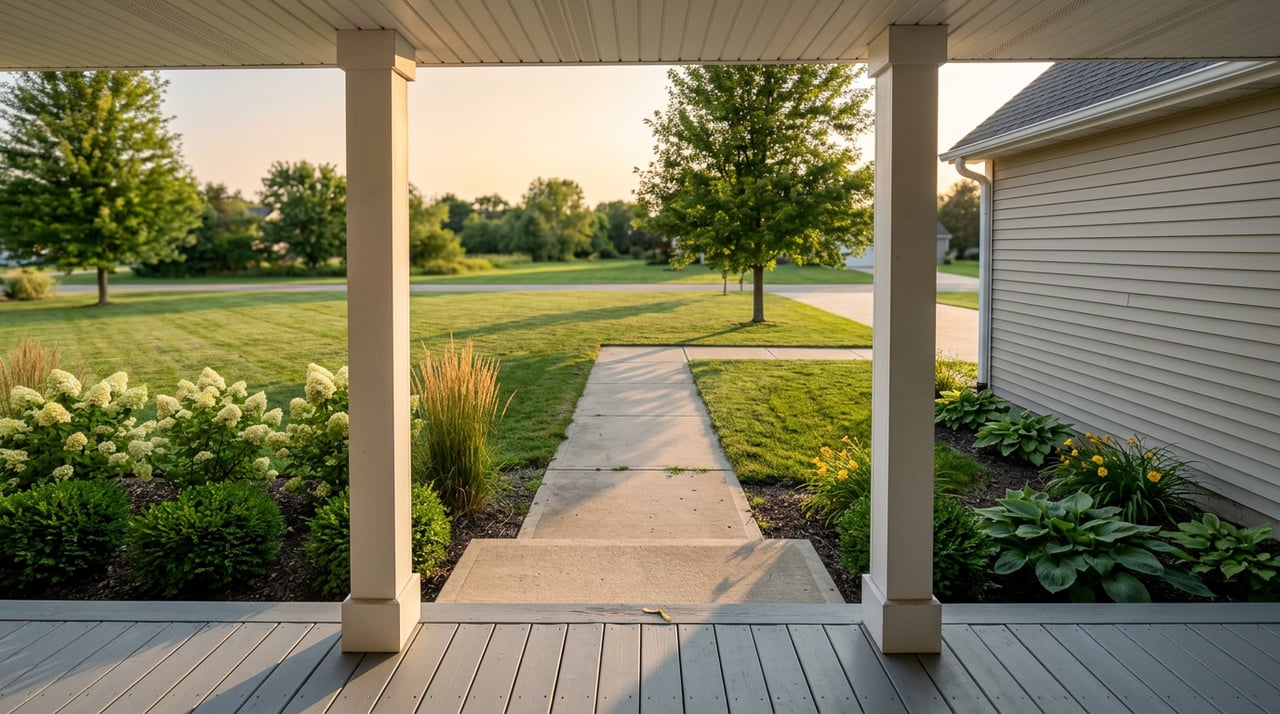
That matters because your day-to-day routine will likely change. Instead of dense blocks and mixed-use streets, you can expect larger residential lots, more parking, and a rhythm that often assumes you have a car. For many buyers, that tradeoff is exactly the point.
Cary is also a smaller community. Census QuickFacts reports a 2020 population of 17,826, and CMAP's 2023 snapshot shows 17,875 residents. The owner-occupied housing rate is 84.8%, which helps explain why many buyers see Cary as a place to settle in rather than a stop along the way.
For Chicago-bound commuters, Metra is the key connection. Cary's UP-NW station is at 100 W. Main St. at Northwest Highway, right in the heart of downtown. The current weekday schedule includes trains as early as 4:24 a.m. and as late as 11:54 p.m. toward Ogilvie, which gives you a real rail option if you still work in or visit the city often.
That said, Cary is still largely car-oriented. CMAP reports that commuting is dominated by driving alone, and the mean commute time is 28.6 minutes. In practical terms, you should think beyond the train itself and consider how easy it is to get from your future home to the station, where you will park, and how that commute fits your routine.
The village also offers downtown commuter parking in daily-fee and permit lots. Additional transportation options listed by the village include McHenry County Dial-A-Ride, an Algonquin Township shuttle, and Pace vanpool. Those services can be helpful, but most households will still want to plan around regular car use.
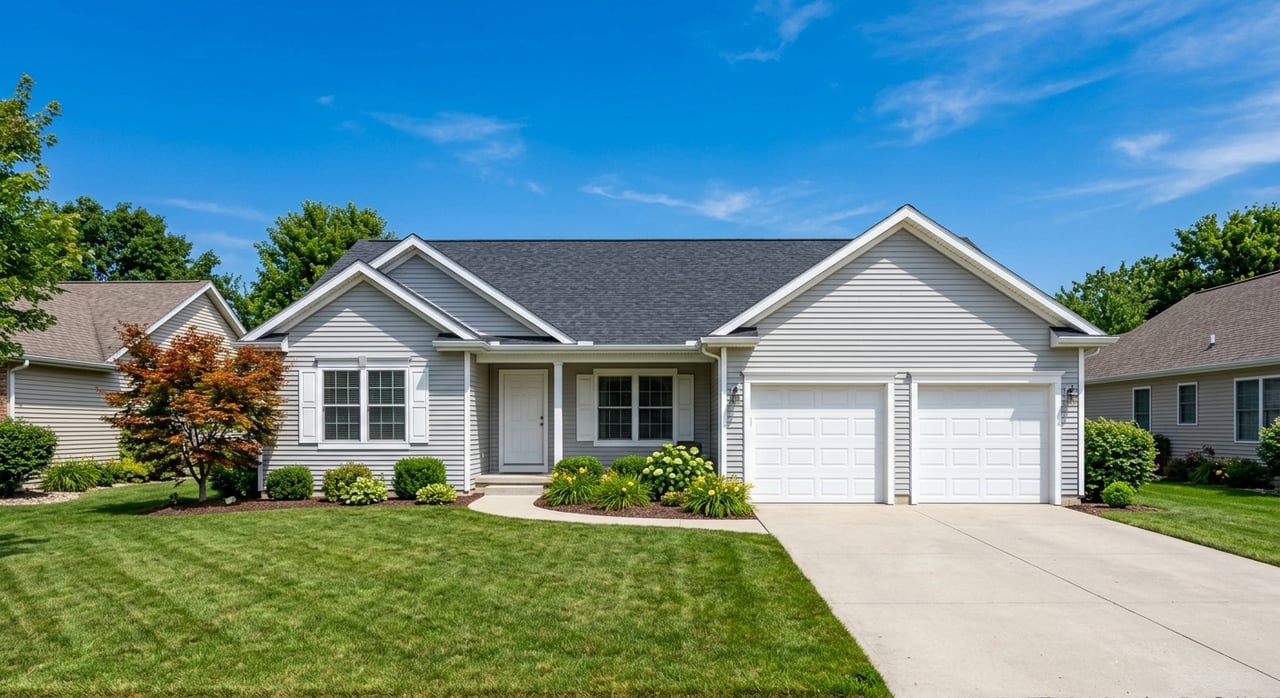
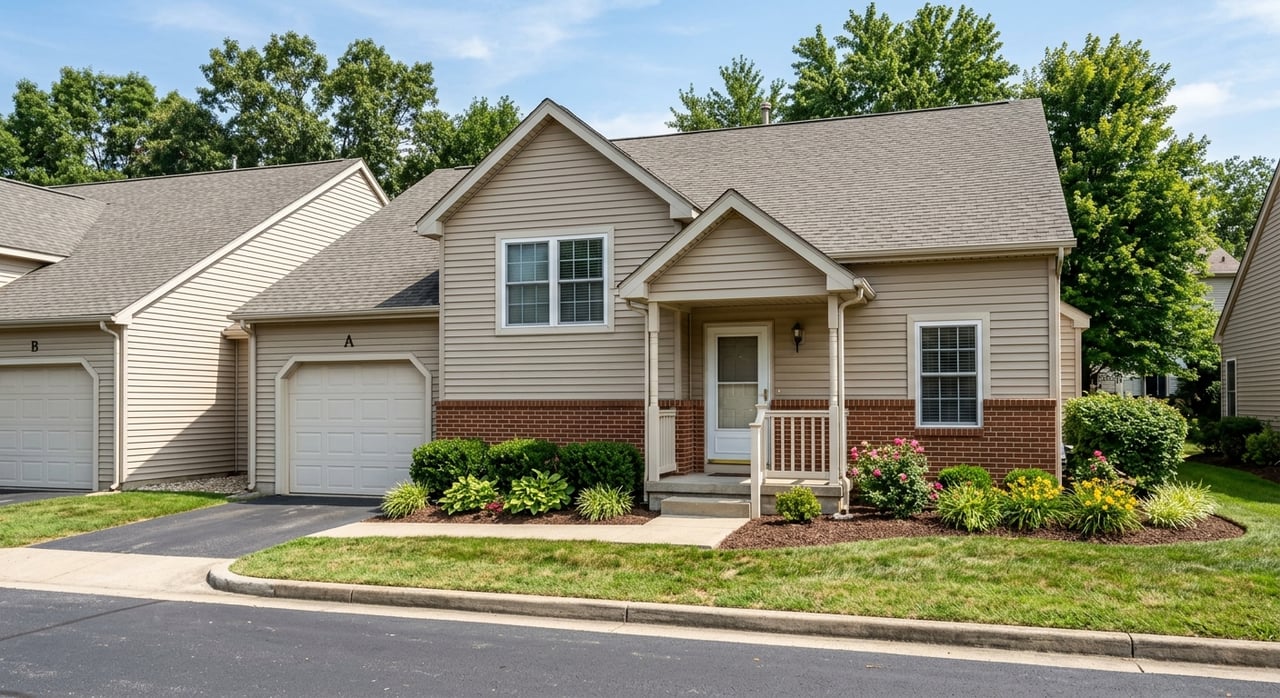
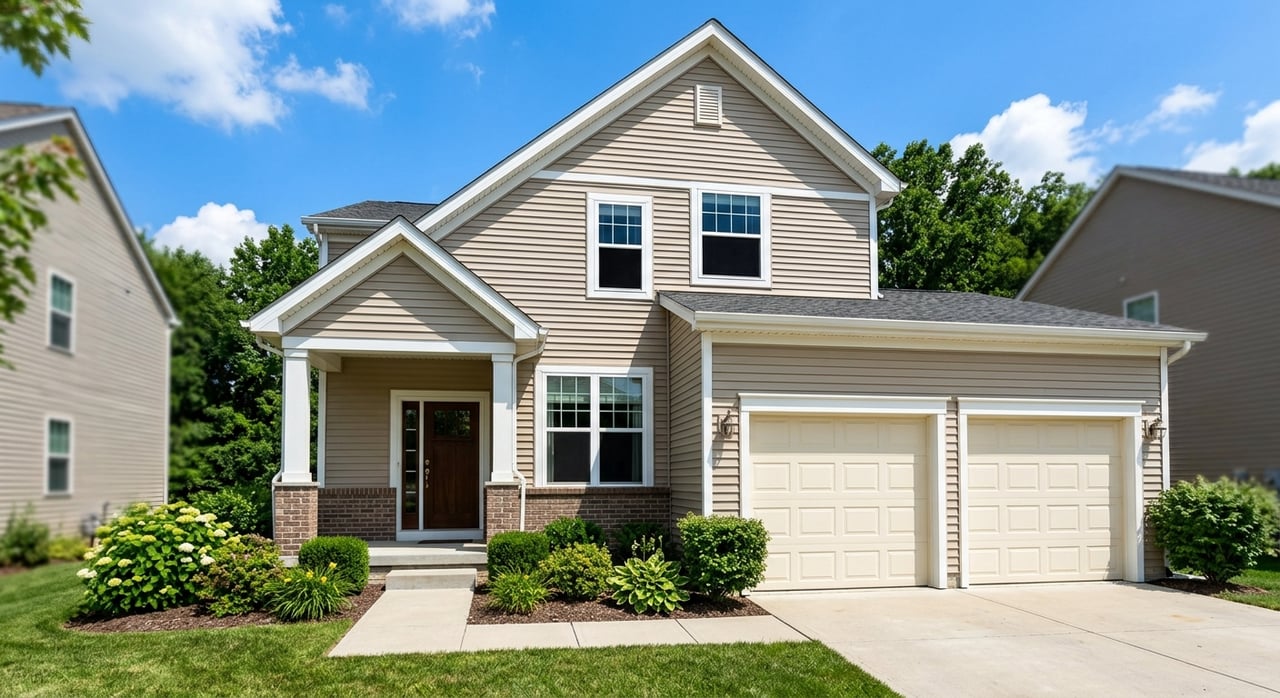
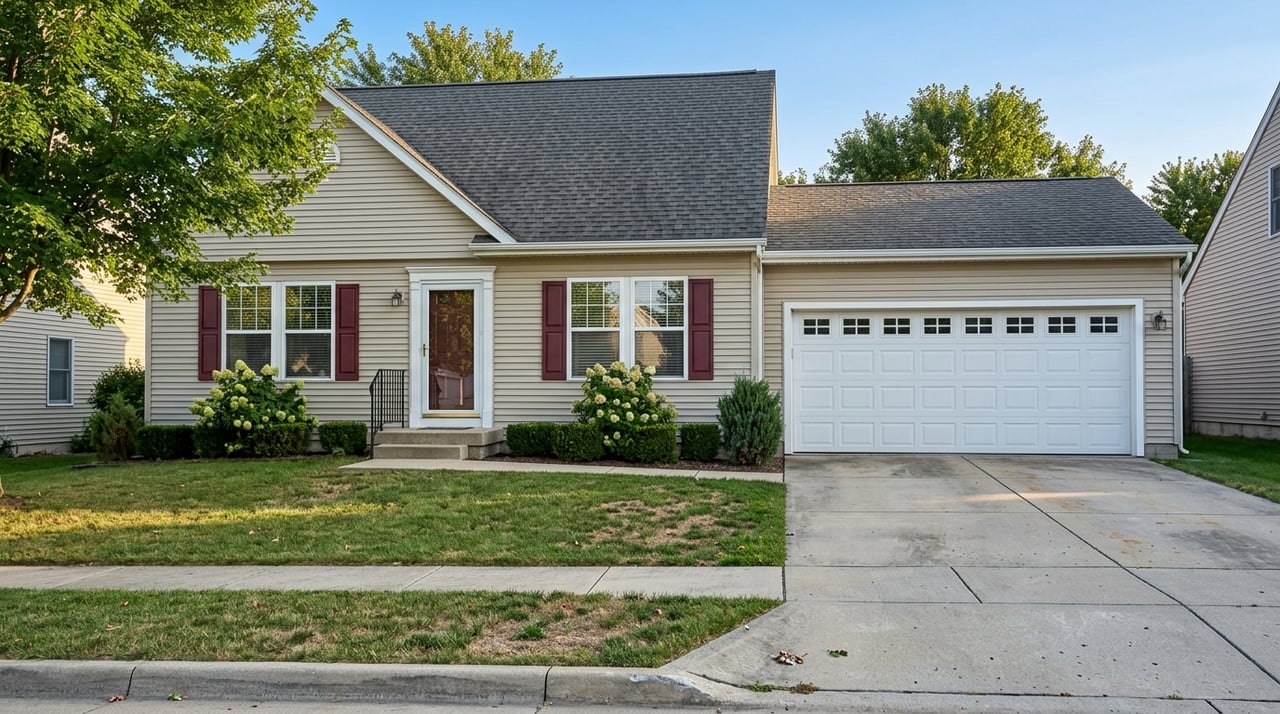
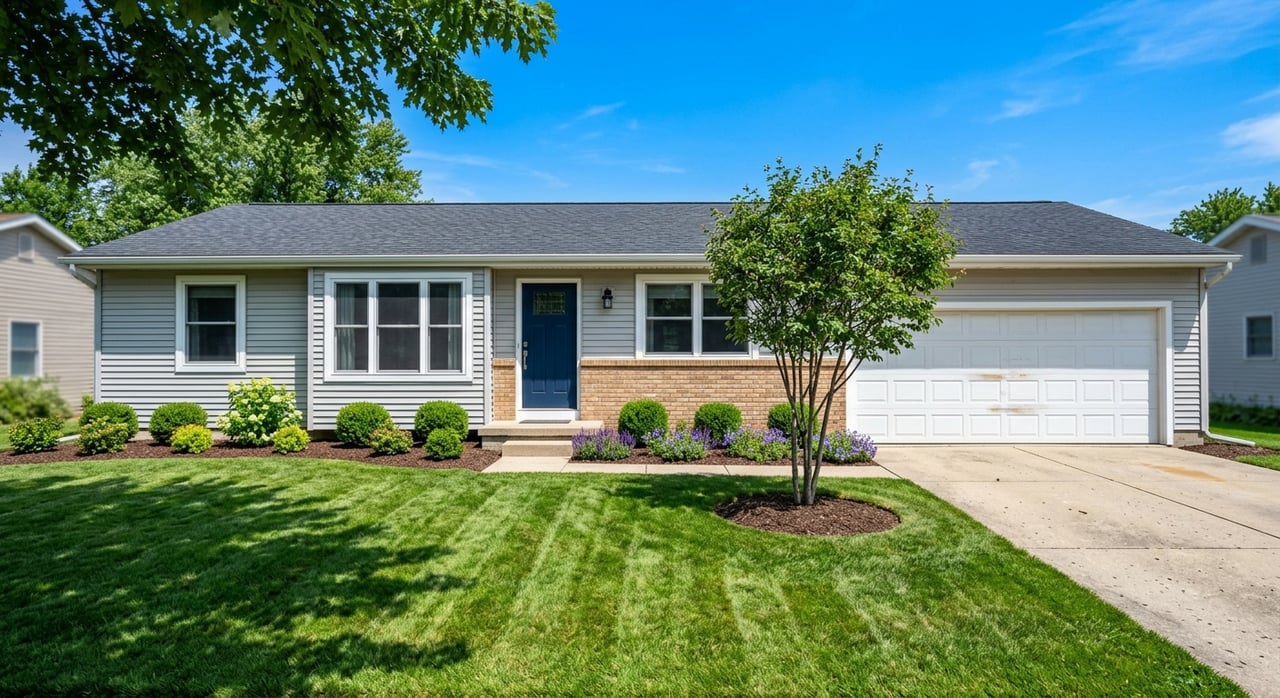
If your Chicago home search has mostly involved condos, two-flats, or vintage apartments, Cary will feel like a different market. CMAP reports that 77.9% of housing units are single-family detached, 16.1% are single-family attached, and only 5.1% are in buildings with five or more units. In other words, detached suburban homes define the local housing stock.
You will also notice that Cary's inventory leans toward homes built in the late 20th century. The median year built is 1985, with most homes constructed between 1970 and 2009. That means you should expect a lot of practical suburban layouts rather than the older multi-unit housing styles common in many parts of Chicago.
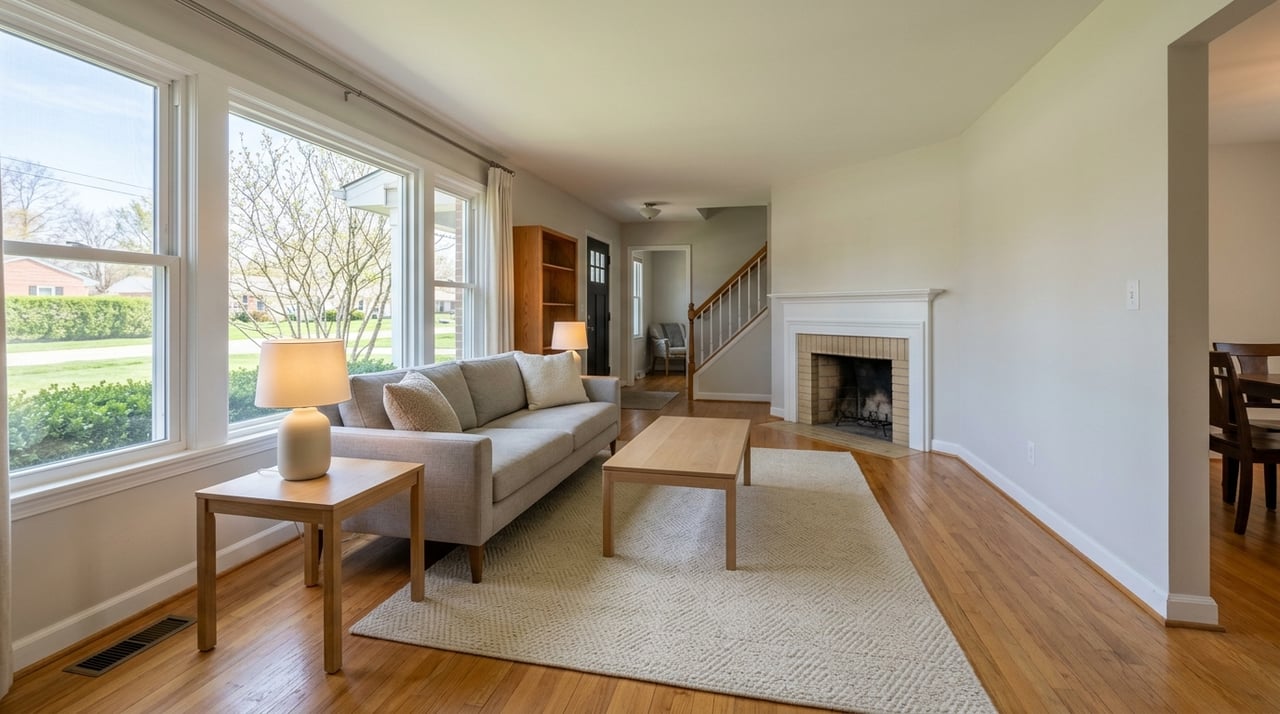
Bedroom counts also reflect that suburban pattern. According to CMAP, 41.3% of units have three bedrooms, 30.8% have four bedrooms, and 7.3% have five or more bedrooms. If you are moving because you want more room for work, guests, hobbies, or storage, Cary is built for that kind of search.
One of the biggest adjustments for Chicago buyers is how central parking becomes. In Cary, nearly half of occupied households have two vehicles, and another 24.6% have three or more. That makes garage size, driveway capacity, and street layout more important than they may have been in the city.
This is especially true if more than one person in your household commutes or if you plan to drive to the Metra station. A home that looks great online may feel less practical if the parking setup does not match your daily life. When you tour homes, it helps to think about real routines, not just square footage.
Cary's market sits roughly in the mid-to-high $300,000s, though different data sources measure the market in different ways. Realtor.com shows a median listing price of $390,950 with 58 homes for sale and a median 22 days on market. Zillow reports an average home value of $381,390 and notes that homes go pending in around 5 days.
Redfin reports a median sale price of $350,000 over the last three months, up 6.8% year over year. The clean takeaway is that Cary is an active market where well-positioned homes can move fast. If you are relocating from Chicago, it is smart to be ready before you start touring seriously.
Because Cary homes can move quickly, preparation matters. If you are trying to balance a Chicago schedule with suburban home tours, you will want a process that helps you narrow options before you spend a weekend driving from showing to showing.
A practical approach often looks like this:
For many relocating buyers, speed matters less than clarity. When you know your priorities, it becomes easier to recognize the right fit and move with confidence.
Cary is not just a place to sleep between commutes. Its downtown has a small-town core centered around the station area, with restaurants, entertainment, shopping, the Social District, and Alfresco Alley. The village also notes that downtown Cary continues to be planned and developed, which may matter if you care about long-term momentum.
Seasonal events help shape local life too. Cary Cruise Nights run on Wednesdays from June through August, and a Sunday farmers market takes place in the downtown Metra lot from June through September. For buyers coming from Chicago, these details can help paint a clearer picture of what weekends and evenings may feel like.
Recreation is another practical plus. Cary Park District reports more than 5.5 miles of trails connected to village and school-district paths, along with amenities such as Sunburst Bay Aquatic Center and Foxford Hills Golf Club. The Cary Area Public Library at 1606 Three Oaks Road also gives residents a nearby public-space anchor for reading, studying, and programs.
For many buyers, schools are part of the relocation conversation. Cary Community Consolidated School District 26 lists Briargate Elementary, Cary Jr High, Deer Path Elementary, Oak Knoll Early Childhood Center, and Three Oaks Elementary. Cary-Grove High School in Community High School District 155 reports a 93% graduation rate, 225+ courses, and 200+ extracurricular activities.
If schools are one of your decision points, it is helpful to confirm attendance boundaries, transportation logistics, and how a given address lines up with your needs. That kind of detail can influence which part of Cary makes the most sense for your move.
Cary tends to work best if you want more space, a single-family home, and a quieter suburban routine while still keeping a rail connection to Chicago. It is a strong fit for buyers who value bedrooms, yards, garages, and a less dense environment. It may feel less ideal if your priority is a walk-everywhere lifestyle with city-style density.
That does not make one choice better than the other. It simply means the move should match the life you want next. If your goal is to trade urban convenience for room to spread out, Cary is worth a close look.
A smart relocation plan starts with realistic expectations. In Cary, that means understanding the car-oriented layout, the detached-home inventory, and the pace of the market before you begin. When you line up those pieces early, the move from Chicago feels much more manageable.
If you are planning a move to Cary and want local guidance on neighborhoods, commute considerations, and available homes, Alice Picchi can help you build a focused, efficient search.
Stay up to date on the latest real estate trends.
Top Real Estate Team specializing in the Chicago northwest suburbs. We have a strong attention to detail, adapt well to situations, and work well under pressure.