McHenry Investment Properties: What Local Owners Consider
July 9, 2026
July 9, 2026
If you are thinking about buying a rental in McHenry, it helps to look past the asking price and focus on how the property may perform month after month. A suburban rental can look straightforward on paper, but taxes, maintenance, and rent potential can change the picture fast. In this guide, you’ll see what local owners often weigh before buying an investment property in McHenry and how to think through the numbers with more confidence. Let’s dive in.
McHenry is a Fox River suburb with 28,074 residents and 12,095 housing units. The city has a 74.4% owner-occupied rate, which points to a market with a strong base of long-term homeowners rather than a heavy renter concentration. That can matter if you are looking for a steady suburban rental environment instead of a fast-turnover apartment market.
The local housing stock also shapes how investors evaluate opportunity. About 80% of housing structures are single-unit homes, and the median owner-occupied home value is $266,500. Median gross rent is $1,553 in McHenry, compared with $1,401 countywide, which suggests city rentals may achieve a modest rent premium in some cases.
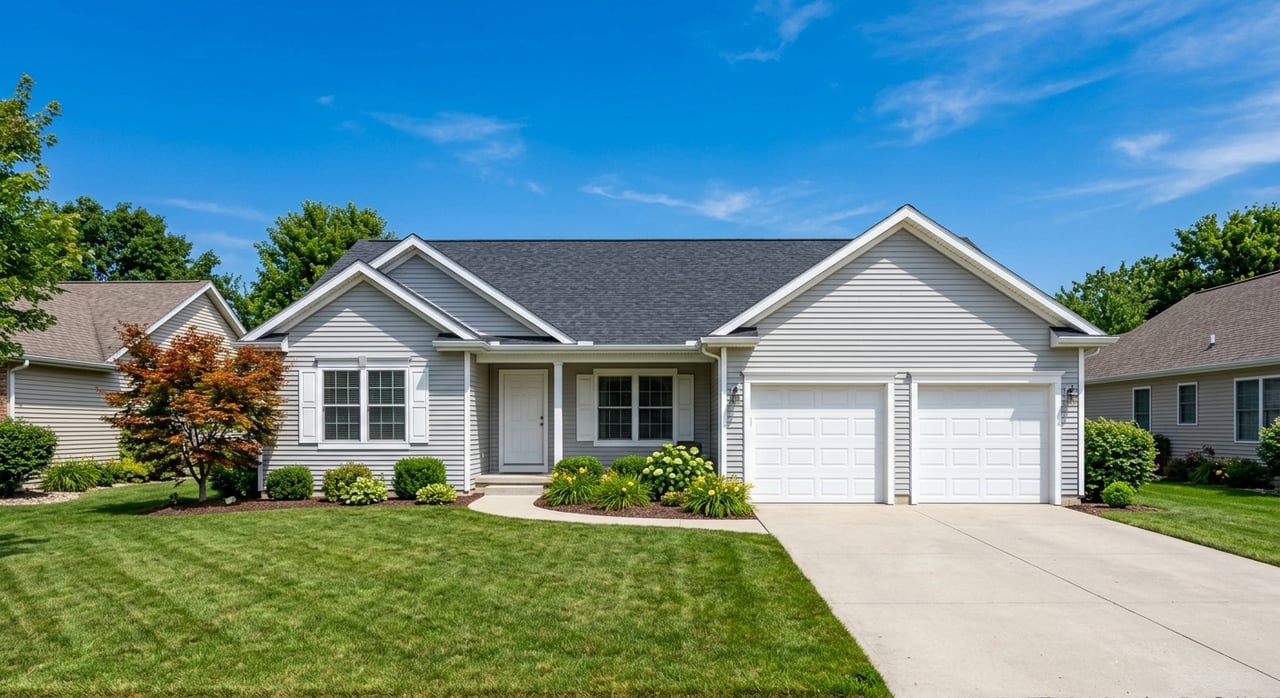
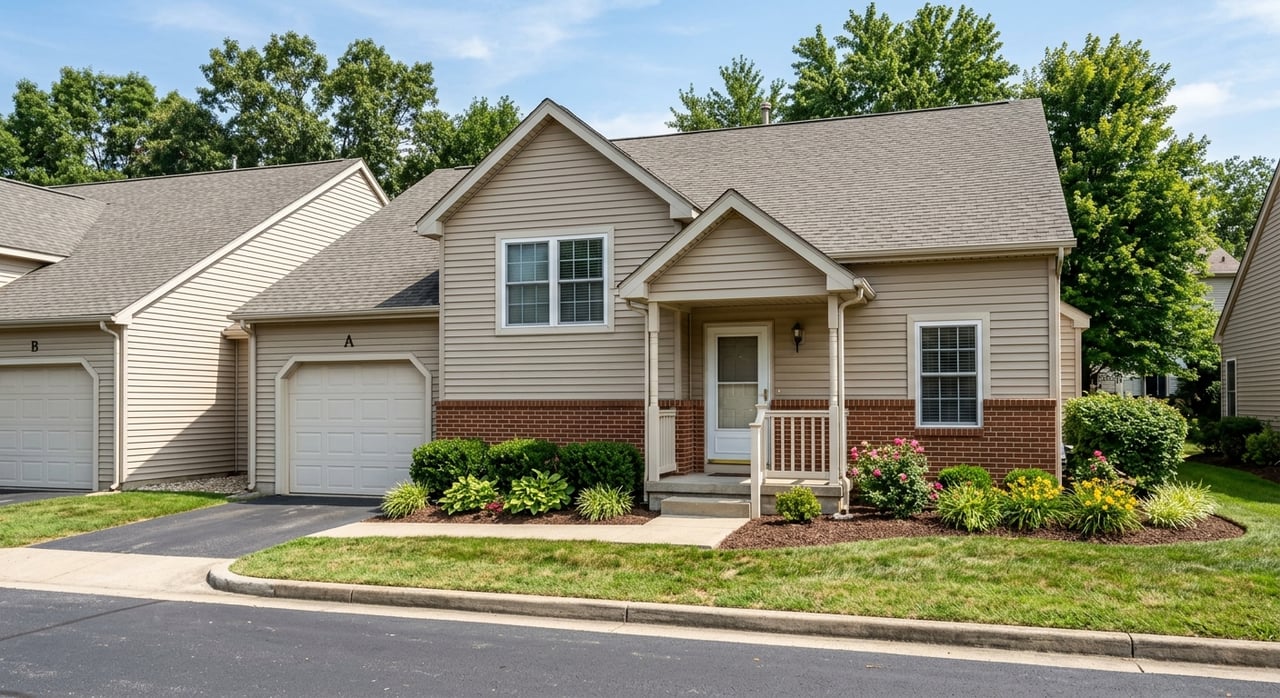
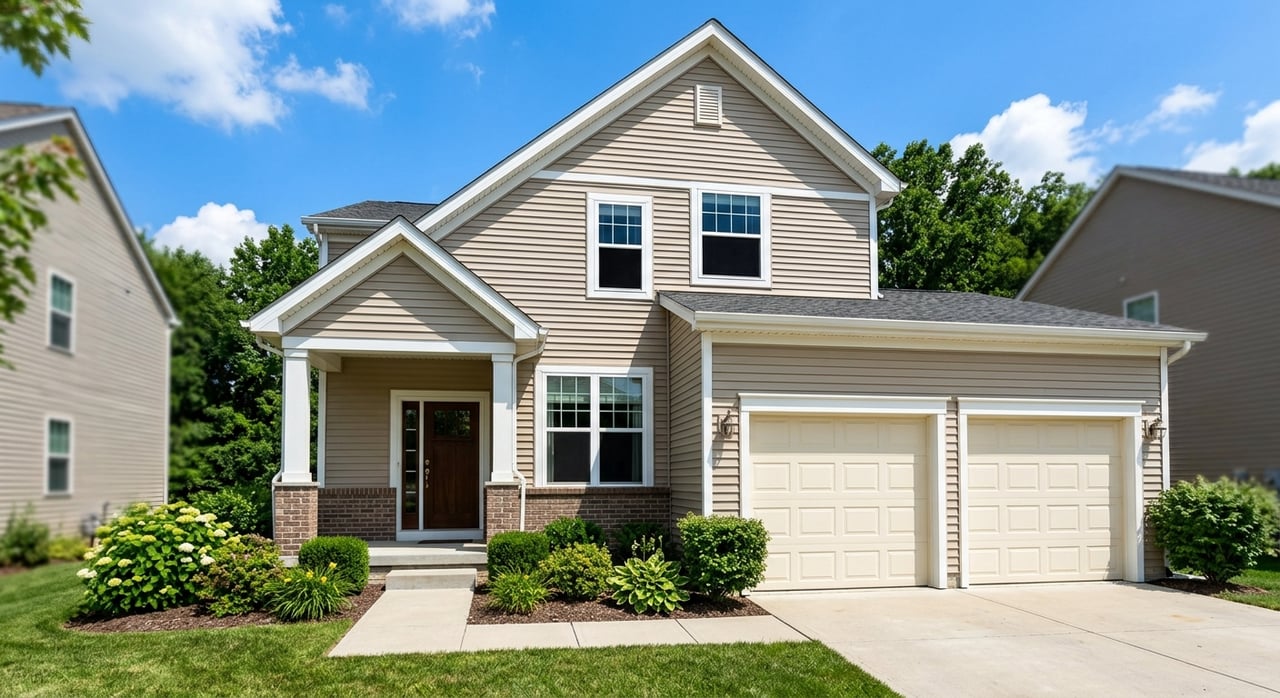
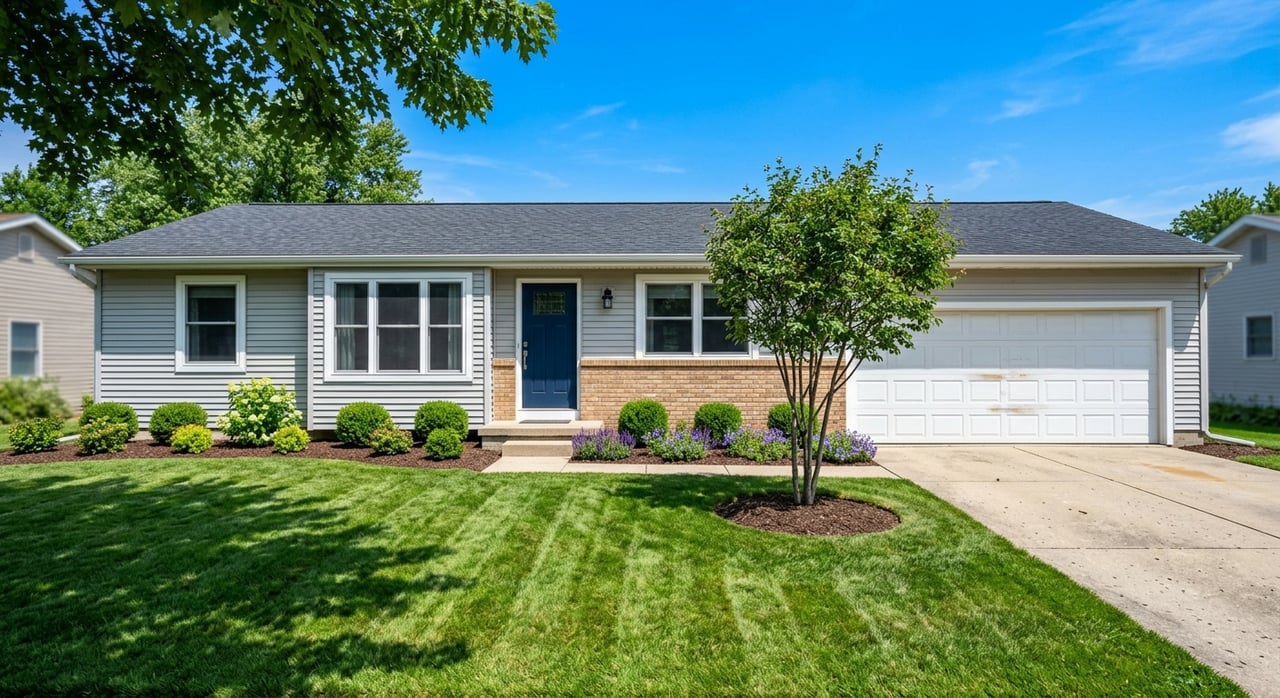
In McHenry, many owners are really choosing between single-family homes, older downtown houses, and a smaller share of townhomes. City planning materials describe the housing stock as mostly detached homes, with townhomes making up a smaller but growing segment. Most homes were built after 1970, though older homes still remain in and around downtown areas.
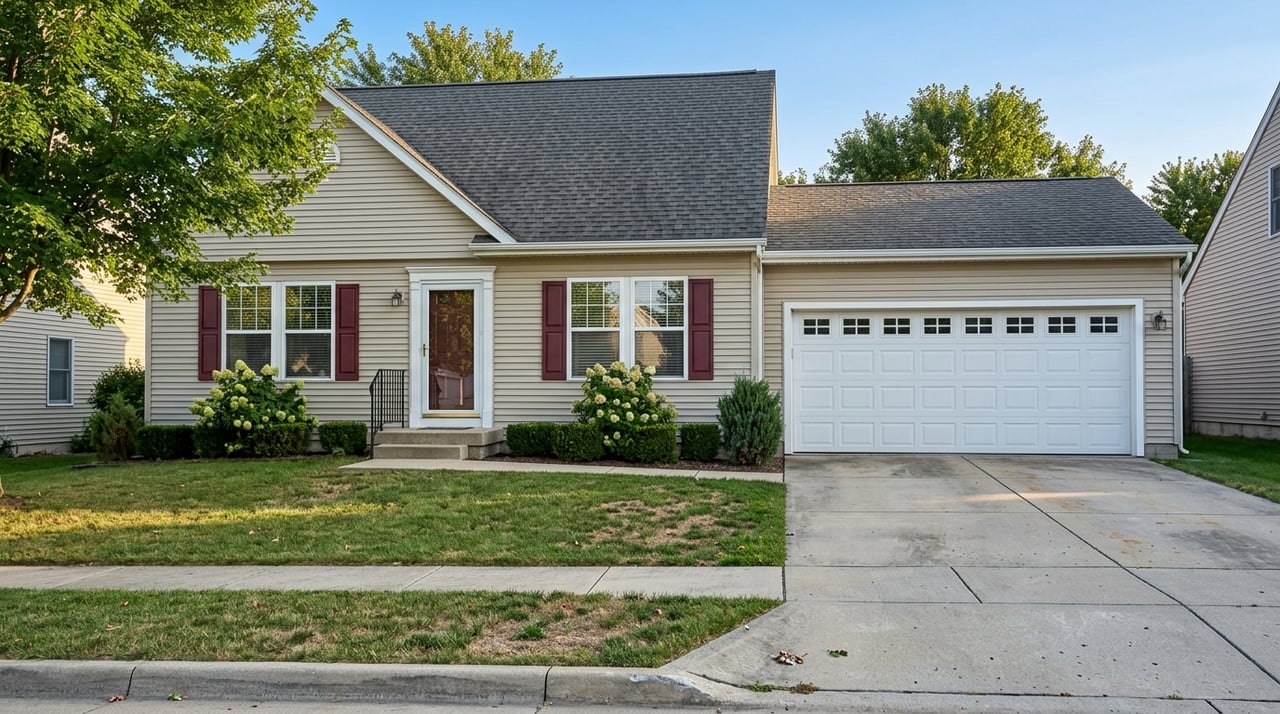
For many small investors, that means a McHenry purchase often works more like a suburban house investment than a classic multifamily deal. You may be evaluating yard care, exterior upkeep, and full-system maintenance at the property level. In practical terms, that can make reserves and inspection quality even more important.
If you are shopping for an investment property in McHenry, you may want to focus on:
A rental property is not just a structure. It is also about what daily life looks like for the person living there. McHenry offers several features that can support tenant appeal, especially for renters looking for a suburban setting with local amenities.
The city has three downtown districts connected by a riverwalk, along with seasonal events, more than 39 parks, and 640 acres of public space. Moraine Hills State Park adds another outdoor recreation option nearby. These features can help make certain rentals more attractive to tenants who value access to parks, events, and open space.
Commuting and employment also matter. McHenry is about 55 miles northwest of the Chicago Loop and roughly 35 miles from O'Hare. Metra’s UP-NW line serves McHenry station at 4005 Main Street, and local employers include Northwestern Medicine McHenry Hospital along with manufacturing and service businesses.
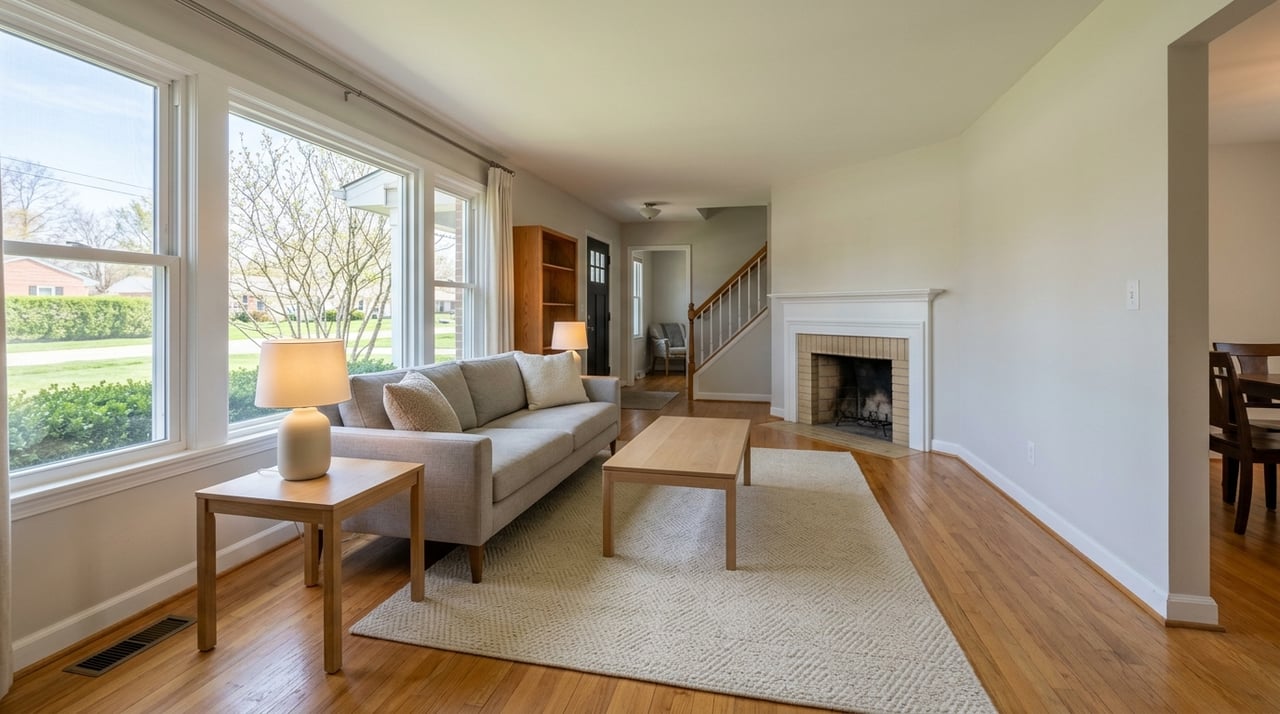
When comparing properties, owners often pay attention to whether a home offers:
In McHenry, maintenance diligence matters, especially if you are considering older homes or properties near the Fox River. Local planning materials note that older downtown homes remain part of the housing mix. That means two homes with similar rent potential may carry very different upkeep costs.
Before you buy, it is smart to inspect the roof, exterior systems, plumbing, HVAC, and drainage closely. Homes closer to river-adjacent areas may need extra attention to site conditions and water management. Expensive surprises are much harder to absorb when rent margins are already moderate.
Because the market is mostly single-unit housing, owners may also carry more direct responsibility for unit-level upkeep and yard work than they would in a larger building. That does not make these properties bad investments. It simply means your operating plan should match the property type.
Many local owners build reserves for:
McHenry can be appealing, but it is not a market where rough math is enough. With a median gross rent of $1,553 and a median owner-occupied value of $266,500, gross annual rent works out to only about 7% of value before you account for taxes, insurance, vacancy, and repairs. That leaves less room for mistakes.
This is one reason many local owners stay disciplined about underwriting. A property may still make sense, but the buy decision usually depends on condition, tax burden, and realistic maintenance assumptions. If your plan depends on best-case numbers, the deal may be too tight.
Use simple screening questions early:
In McHenry County, property taxes should be treated as a major operating expense. The county says tax bills are due in two installments, and the county clerk calculates tax rates from levies submitted by taxing districts. Those revenues support schools and other local services, including fire protection, libraries, parks, municipalities, and county functions.
For you as an investor, the takeaway is simple: do not treat taxes as a side note. A property that looks acceptable at first glance can feel very different after the full tax picture is added to your monthly carrying cost. Reviewing the current bill and asking how taxes fit into your long-term numbers is essential.
If you plan to own a rental in McHenry, you also need to understand the legal basics before closing. The Illinois Attorney General says landlords must keep rental units fit to live in and comply with state and local codes. That standard affects how you plan for repairs, inspections, and ongoing maintenance.
The Illinois Department of Human Rights also notes that Illinois does not have statewide rent control, and local ordinances can matter. Starting January 1, 2026, landlords must attach the Summary of Rights for Safer Homes to written residential leases. These are not details to figure out after the purchase. They should be part of your due diligence upfront.
Before buying, consider speaking with:
Based on the local housing mix and rent profile, McHenry often fits small investors looking for a suburban rental with stable occupancy potential rather than a high-yield apartment-style play. The market appears better suited to patient owners who value consistency, local demand drivers, and a longer-term view. In many cases, the right property is less about chasing maximum rent and more about avoiding avoidable expenses.
That is why property selection matters so much here. A well-maintained single-family home or townhome with solid tenant appeal may offer a more predictable path than a cheaper home with major deferred maintenance. In a market like McHenry, discipline usually matters more than speed.
If you are weighing a McHenry investment purchase or planning a future sale of a rental property, working with a local team can help you compare neighborhoods, property types, and resale potential with clearer eyes. To talk through your options in the northwest suburbs, connect with Alice Picchi.
Stay up to date on the latest real estate trends.
Top Real Estate Team specializing in the Chicago northwest suburbs. We have a strong attention to detail, adapt well to situations, and work well under pressure.