Imagine coffee on the deck while boats idle past and the sun lifts over the Fox River. If you are drawn to that pace, McHenry’s waterfront can feel like a perfect fit. Still, buying on the water comes with unique rules, costs, and questions that do not apply inland. In this guide, you will learn where waterfront living actually happens in McHenry, the types of properties you will find, and the key checks to make before you write an offer. Let’s dive in.
Where McHenry’s waterfront living happens
Fox River and Chain O’Lakes
The Fox River and the connected Chain O’Lakes are the heart of local boating and paddling. If you plan to operate a boat on the system, the Fox Waterway Agency requires an annual sticker. Expect seasonal rules, occasional maintenance or dredging work, and no‑wake areas. Your day‑to‑day experience will vary by location along the river or near lake channels.
Public launches, marinas, and rentals
You are not limited to private docks. Public access sites, marinas, and seasonal rental operators make it easy to get on the water. You can review nearby access points and launches using the Fabulous Fox Water Trail access list. Many buyers choose river‑adjacent homes, then use a public launch or a rented slip.
Downtown Riverwalk connections
McHenry has invested in walkable riverfront experiences. Recent Riverwalk work has connected downtown districts and improved pedestrian access along Boone Creek and the Fox River. See coverage of the most recent segment in the Northwest Herald’s Riverwalk update.
Property types you will see
Riverwalk townhomes and mixed‑use
Along the Riverwalk corridor, you will find townhomes and mixed‑use buildings with balconies and patios oriented to the water. The appeal is simple access to coffee, dining, and events, along with water views.
Single‑family riverfront homes
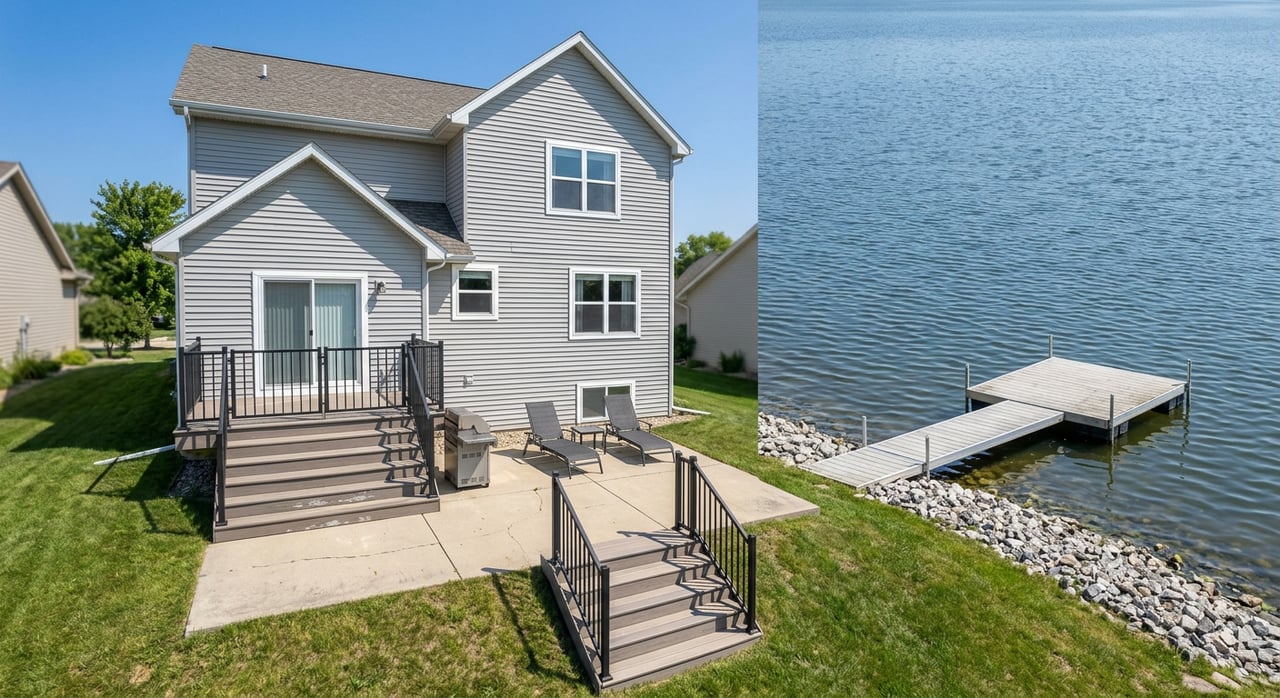
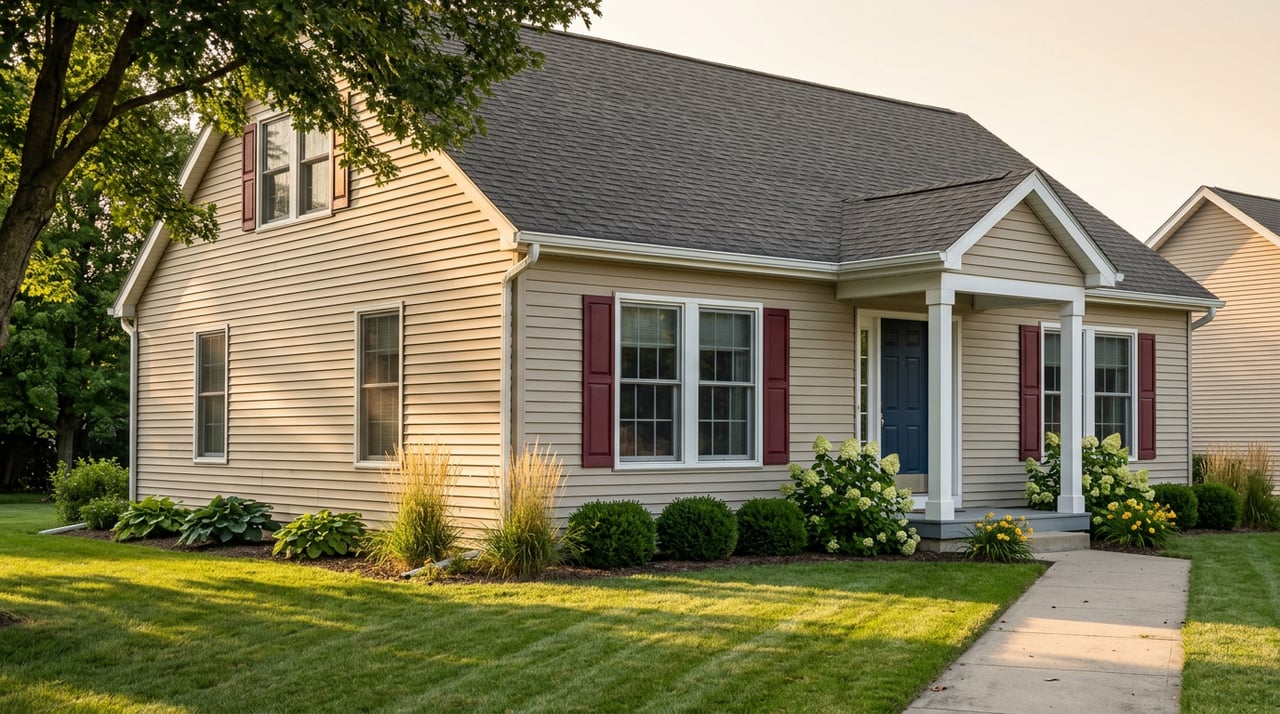
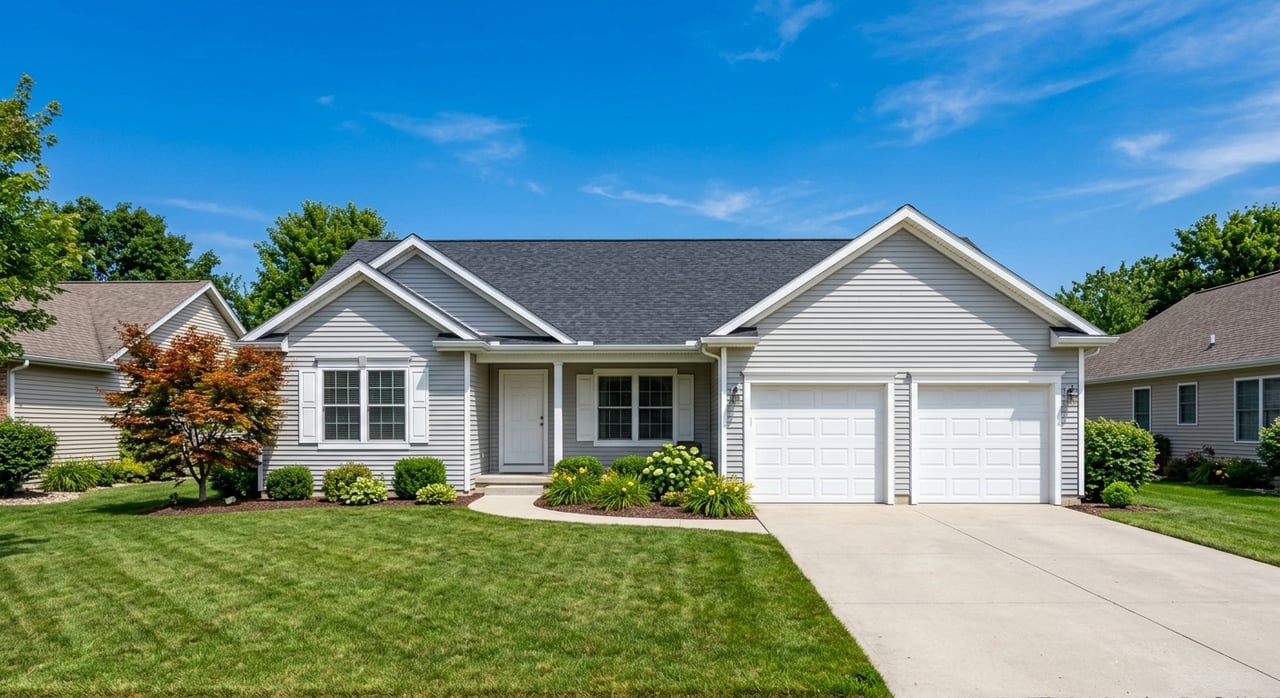
Along the Fox River and some tributaries, you will see a mix of cottages, ranches, and later single‑family homes. Many have private docks, lifts, or shore access. These homes vary widely in age, elevation, and exposure to seasonal water levels.
Private‑lake communities
Some buyers prefer HOA‑controlled lakes for a quieter setting and managed rules. In McHenry County, there are private lakes with membership‑based access and specific rules for motors, docks, and guests. As one example, Lake Killarney’s HOA‑controlled lake illustrates how associations can regulate lake use, beaches, and maintenance.
Seasonal and resort‑adjacent pockets
In and near the Chain O’Lakes, you will also find older resort‑era cottages and homes close to marinas and public launches. Proximity to slips and channels often drives value here.
Key questions to answer before you offer
Waterfront living rewards careful due diligence. Use this checklist to focus your search and avoid surprises.
Water access and use rights
- Do you have riparian rights to the water, or is there a public or shared easement along the shore? In private‑lake settings, review HOA covenants for dock rules, boat types, guest use, and assessments. The Lake Killarney example shows how HOAs can shape lake access.
- If you want a boat at home, confirm approved dock rights, water depth at the dock in typical seasons, and space to turn a larger boat. Check for no‑wake zones nearby and ask if lifts are permitted.
- If you plan to run your boat on the Chain O’Lakes, remember that the Fox Waterway Agency requires a boat sticker. Ask about seasonal rules that could affect your route.
Permitting and shoreline work
- Many shoreline structures, including permanent docks, seawalls, and major riprap, can require state or federal permits. Review the State of Illinois guidance on shoreline and in‑water work and involve the right experts early. This state manual provides a helpful overview of permitting context for public waters and infrastructure projects: Local Roads and Streets Manual.
- Ask the seller for any permits, receipts, or inspection reports for dock or shoreline projects. Confirm whether a current dock is considered permitted or legally nonconforming.
Flood risk and insurance
- Pull the FEMA flood map for the specific address to see whether it lies in a Special Flood Hazard Area. You can search addresses on the FEMA Map Service Center.
- If the home is in an SFHA and you use a federally regulated lender, flood insurance is typically required. Lenders follow federal guidance on the Flood Disaster Protection Act. You can review a summary of lender expectations in the FDIC flood insurance guidance.
- Ask for a written flood‑insurance quote before you offer. If the home is elevated or has mitigation, an elevation certificate can affect premiums. Your insurance agent can advise on NFIP versus private flood options.
Maintenance, docks, and seasonal realities
- Docks, lifts, and shorelines take upkeep. Expect seasonal removal or winterization, corrosion checks, staining, and ice damage repairs. Local dock companies can give quotes and inspections. For a sense of scope and services, see a local vendor like McHenry Piers.
- Sediment and shallow channels can affect water depth over time. Ask about historic dredging near the property and the typical depth at your dock in late summer.
- Aquatic vegetation and algae can change swimming and boating conditions by season. Ask the seller or lake association about weed‑control schedules and dock removal timing.
Utilities, septic, and access
- Confirm whether the home uses municipal sewer or a private septic system. For septic, request the permit file and service history. County resources outline flood and water‑resource issues that can intersect with septic and drainage. Start with the county’s Water Resources and flood page.
- Check winter plowing, river‑road access during high water, and how deliveries and contractors reach the property in all seasons.
Noise, traffic, and boating culture
- Weekend and holiday boat traffic can be lively. Visit the block on a sunny Saturday and on an early morning to compare sound, wake activity, and parking. If there are nearby rentals or marinas, observe how busy it gets and how late activity continues.
Budgeting and financing for waterfront
Waterfront homes often carry a premium compared to similar inland properties. The premium depends on location, waterbody type, dock rights, view, and flood exposure. Ask your agent to pull current local comps by sub‑market, since values on a quiet tributary can differ from an open‑water channel.
- Insurance. If the home is in an SFHA, plan for flood insurance. Lenders often request proof of coverage and may escrow premiums. The FDIC guidance on flood insurance explains how lenders handle these requirements.
- Dock and shoreline costs. Initial setup and ongoing service matter. Docks can range from a few thousand dollars for a simple floating section to much more for larger piling or lift setups. Get written quotes and a dock inspection from a local marine service like McHenry Piers.
- Maintenance and equipment. Budget for lift service, weed management around the dock, and winter storage for boats or personal watercraft. Confirm local rates before you buy so your total monthly picture is realistic.
What to gather before you write an offer
- A FEMA FIRMette for the property address from the FEMA MSC.
- Any county parcel or elevation data and notes from the Water Resources Division, starting with the county flood resources.
- Seller disclosures for any water intrusion, flood claims, and dock or shoreline work.
- HOA documents if it is a private‑lake property, including rules on docks, boat types, and assessments.
- A recent survey showing shoreline boundaries, easements, and the dock location.
- A dock and lift inspection with estimates for repairs or replacement, plus quotes for seasonal removal or service.
- A written flood‑insurance quote and a note from your lender confirming whether flood insurance will be required.
How a local adviser makes this easier
A strong local partner can save you time and money by front‑loading the right checks.
- Your agent can order the FEMA FIRMette, request county records, and coordinate a current survey if needed.
- You can get connected with trusted dock and marine inspectors to evaluate lift condition, anchoring, and shoreline stability, then receive realistic cost estimates.
- If you are considering a private‑lake community, your agent can obtain the HOA rules early and confirm dock or lift rights in writing before you commit.
- If flood insurance is likely, your agent can help you request quotes, compare NFIP and private options, and align coverage with lender expectations.
- You can also set up curated search alerts for Fox River and Chain O’Lakes homes, including specific shore rights or dock mentions, so you hear about the right listings fast.
Ready to explore waterfront living in McHenry with a plan that protects your budget and your weekends on the water? Reach out to the Alice Picchi Team to set up a tailored search, review flood and dock details up front, and tour the best river and lake options for your lifestyle.
FAQs
What parts of McHenry offer direct boating on the Fox River or Chain O’Lakes?
How do I check the flood zone for a McHenry waterfront home?
- Use the address search on the FEMA Map Service Center to view the Flood Insurance Rate Map and determine if the property is in a Special Flood Hazard Area.
Are docks and seawalls in McHenry always permitted?
- Many shoreline structures require state or federal approvals. Ask for permit records and review state guidance such as the Local Roads and Streets Manual before planning repairs or new work.
What extra maintenance should I expect with a dock and lift?
- Plan for seasonal removal or winterization, corrosion checks, staining, and ice‑damage repairs. A local marine pro like McHenry Piers can inspect and quote service.
How do HOA rules affect private‑lake living in McHenry County?
- HOA‑controlled lakes often set rules for boat motors, docks, guest access, and assessments. Review covenants in detail. The Lake Killarney example shows how an HOA manages lake and beach access.
Will my lender require flood insurance on a riverfront home?
- If the home is in a FEMA‑designated Special Flood Hazard Area and you use a federally regulated lender, flood insurance is typically required. See lender rules summarized in the FDIC flood insurance guidance.